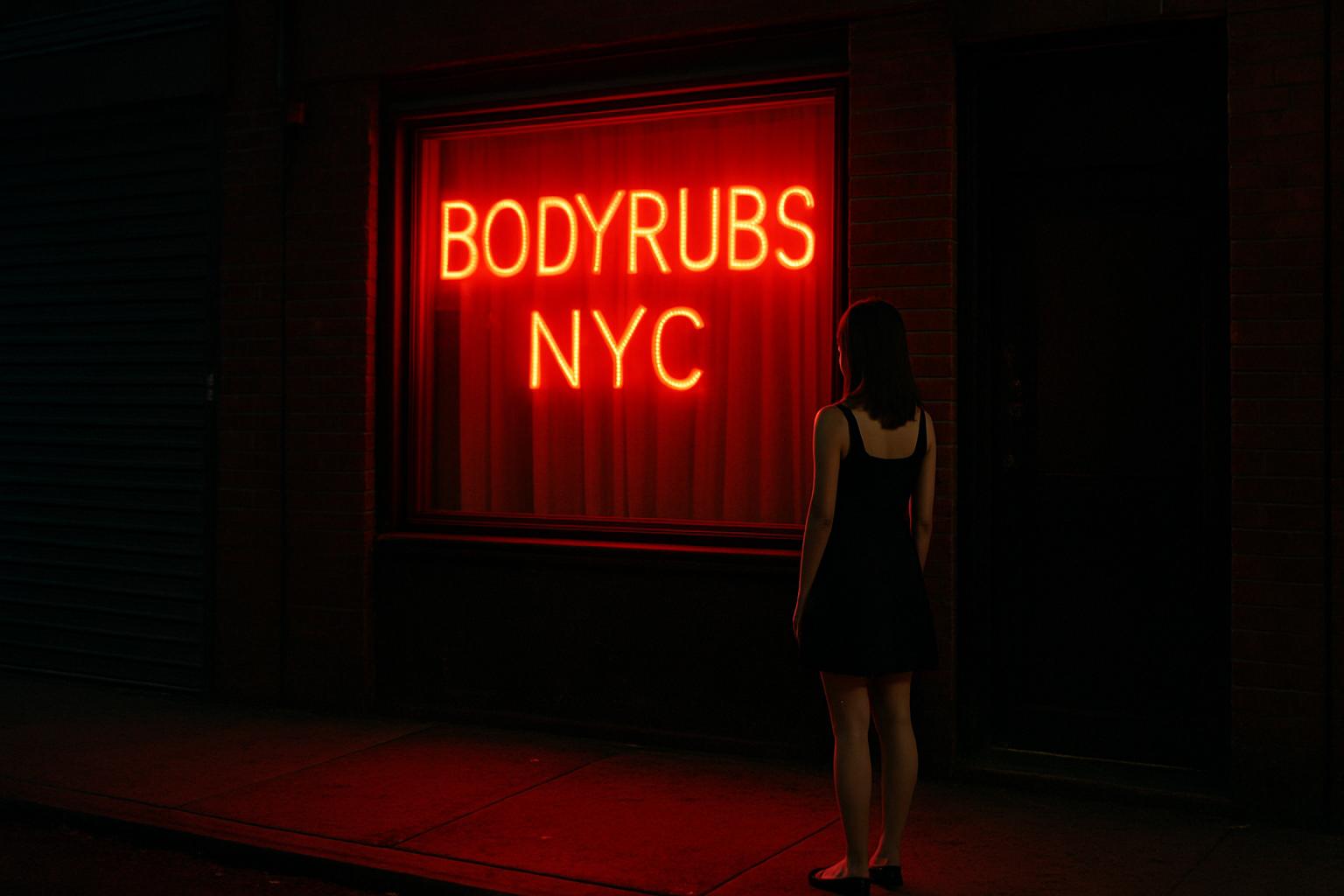

What «bodyrubs» means in New York City
In New York City, the term «bodyrub» covers a wide spectrum. For some people it simply means a professional therapeutic massage—Swedish, deep tissue, or sports work—intended to relieve muscle tension and improve circulation. For others, it can describe more informal or specialty treatments that focus on relaxation, such as oil rubs or aromatherapy-assisted sessions. The phrase is broad, so context matters: the same words can mean different things depending on the business, neighborhood, or platform that advertises them.
Understanding that range is the first step to making an informed choice. If you want therapeutic results, look for licensed therapists and clinics that clearly list credentials and treatment goals. If you are searching for purely relaxing touch in a spa-like setting, expect a quieter, more hospitality-oriented environment. And if a listing is vague or suggests something beyond a therapeutic scope, treat it with caution—legal and safety boundaries are real in this city.
Where to find reputable bodyrub services in NYC
New York is full of options, from small neighborhood studios to high-end hotel spas. Reputation and transparency are the most reliable filters: established businesses display clear service menus, staff bios, pricing, and contact details. Online reviews and local neighborhood recommendations are helpful, but they should be read with common sense—look for consistent patterns in feedback rather than single glowing or scathing posts.
Professional directories and associations can also point you toward licensed practitioners. Many legitimate providers will belong to state associations, list continuing education credentials, or be registered with local health departments. When in doubt, call and ask specific questions about training, sanitation protocols, and the scope of services.
- Check licensed massage therapists and clinics through professional directories and review sites.
- Look for clear service menus and transparent prices—no vague, euphemistic listings.
- Prefer establishments that publish staff bios, certifications, and contact information.
- Trust referrals from friends and health professionals—word of mouth still matters.
Types of bodyrubs and what to expect
There is a practical taxonomy of treatments you’ll encounter in the city. Some are explicitly therapeutic and aimed at addressing pain, tension, or mobility issues. Others are geared toward relaxation or indulgence, using oils, heat, or extended time to create a restorative experience. A few specialty treatments borrow techniques from other traditions—Thai stretching, Ayurvedic treatments, or cupping, for example.
Terms can be confusing: a “deep tissue bodyrub” is not the same as a clinical deep tissue massage performed by an experienced therapist, and an “oil rub” at a spa emphasizes sensory pleasure rather than targeted rehabilitation. Asking a provider what techniques they’ll use and what outcome you should expect is the clearest way to avoid surprises.
| Type | Typical Duration | Primary Focus | Approximate NYC Price Range |
|---|---|---|---|
| Swedish/Relaxation Massage | 30–90 minutes | General relaxation, circulation | $70–$200 |
| Deep Tissue/Sports Massage | 45–90 minutes | Release chronic tension, athletic recovery | $90–$220 |
| Oil or Aromatherapy Bodyrub | 60–120 minutes | Sensory relaxation, soft tissue smoothing | $100–$250 |
| Thai/Stretching-Based Bodywork | 60–120 minutes | Mobility, assisted stretching | $80–$200 |
How to choose a safe, legal provider
Safety in NYC comes down to documentation, clarity, and personal comfort. A legitimate provider will answer direct questions about training, hygiene, and what the session includes. If they dodge specifics or pressure you into extras that weren’t discussed, that’s a red flag. Trust your instincts: if something feels off, walk away and report the listing if necessary.
Licensure and credentials vary, but reputable practitioners typically list qualifications and may operate within recognized clinics or spas. Ask for the therapist’s professional name and confirm it through a directory or their business website when possible. Also check that payment methods and procedures match what the business advertised—unexpected cash-only demands can be a warning sign.
- Verify credentials: ask for the therapist’s name and training or search professional directories.
- Confirm the service scope and get a written or emailed booking confirmation.
- Inspect the environment: clean linens, sanitary tools, and a professional reception area are good signs.
- Clarify payment options and tipping policy up front to avoid surprises.
- Listen to your body: any treatment causing sharp pain or pressure beyond your tolerance should be stopped.
Etiquette, boundary-setting, and what to bring
Etiquette around bodyrubs is straightforward and respectful. Arrive a few minutes early to fill out intake forms and discuss areas of concern. Wear comfortable clothing and follow the therapist’s guidance about draping; professional practitioners maintain draping standards to protect your privacy and comfort. Communicating preferences—pressure level, temperature, and whether you want music or silence—helps the therapist tailor the session.
Boundaries are mutual. Therapists will often ask questions about medical history and pain; be honest. If a therapist makes comments or gestures that cross a boundary, speak up and end the session if necessary. If you feel uncomfortable after leaving, save any documentation and consider reporting the incident to the clinic, the platform you booked through, or local authorities if the conduct was illegal.
Pricing, tipping, and timing in NYC
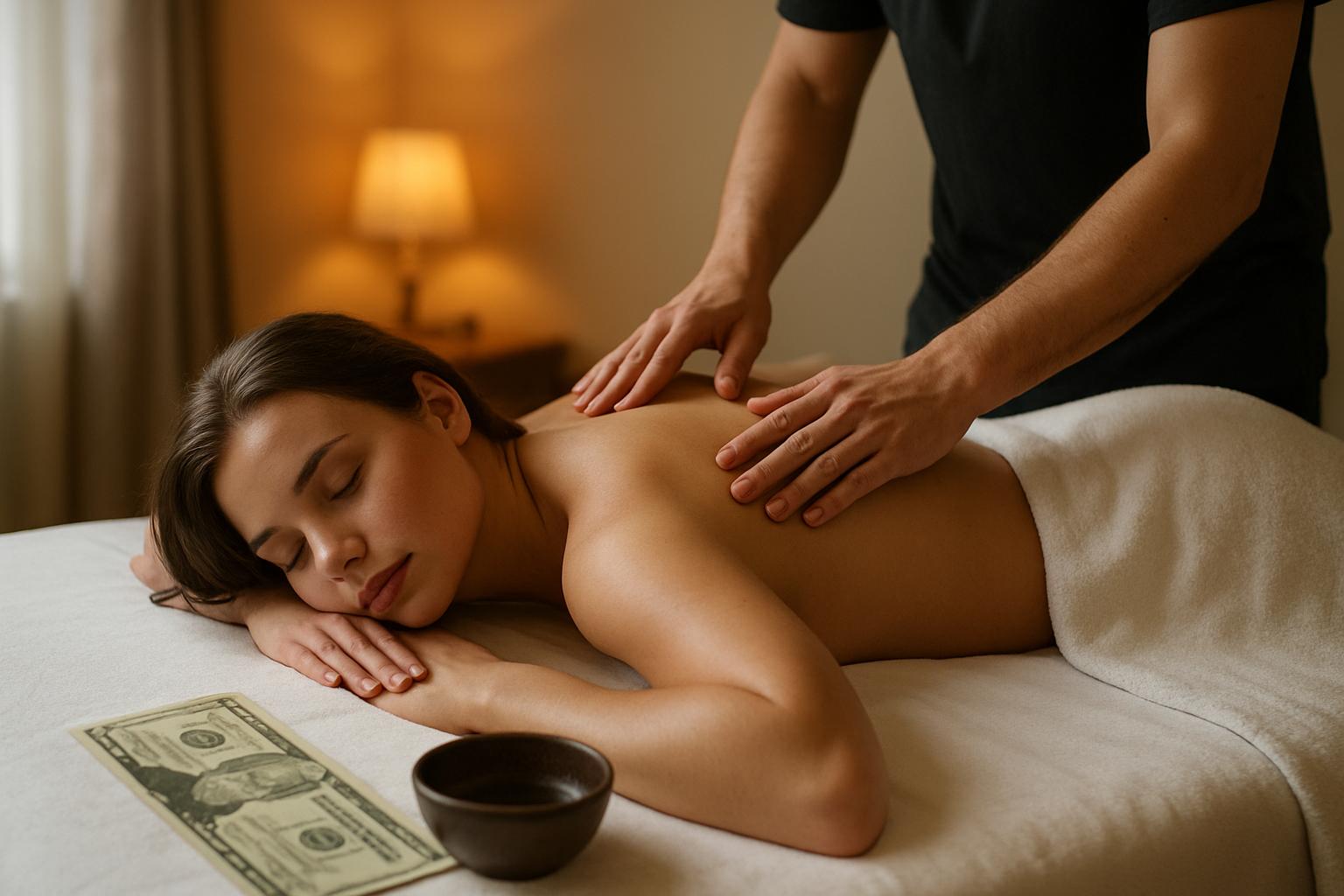
Prices in New York reflect rent, labor, and the level of service. Neighborhood shops offer different price points than upscale Midtown hotel spas. Expect a range rather than a single fixed number; the table above gives typical ranges, but specialty packages, add-ons like hot stones or extended time, and therapist experience can push prices higher.
Tipping is customary for many spa services in the U.S., including NYC, unless the business explicitly pools tips or includes a service charge. A common guideline is 15–25% for a satisfactory session. If you prepay a promotional rate, consider tipping on the fair market value of the service rather than the discounted price. Respectful timing matters too: show up on time, cancel within the stated window, and communicate any changes as soon as possible.
Legal and health considerations
New York has clear laws around sexual services; paying for sexual acts is illegal, and businesses that cross that line risk enforcement and closure. Professional massage therapists and licensed clinics operate within a therapeutic framework, and advertising should reflect that. If a listing implies sexual services or uses euphemistic language to avoid clarity, treat it cautiously.
Health considerations include hygiene, illness policies, and contraindications. Good providers will screen for conditions where massage might be inappropriate—acute injury, fever, or certain medical conditions—and will either modify treatment or recommend medical clearance. Ask about sanitation protocols, linen changes, and how the clinic handles symptomatic clients. During periods of widespread illness, verify mask and ventilation policies if those concerns matter to you.
Common myths and misconceptions
One common myth is that all bodyrubs are interchangeable. They are not—techniques, training, and goals differ. Another misconception is that lower price always equals poor quality; while too-good-to-be-true deals deserve skepticism, some boutique or independent therapists deliver excellent work at fair prices. Finally, the idea that every practitioner will automatically know your preferences without communication is false. Clear, courteous direction from you helps the session succeed.
Dispelling these myths helps you make smarter choices: do your homework, ask direct questions, and remember that a comfortable, effective session is a collaboration between you and the practitioner.
Resources and recommended ways to research
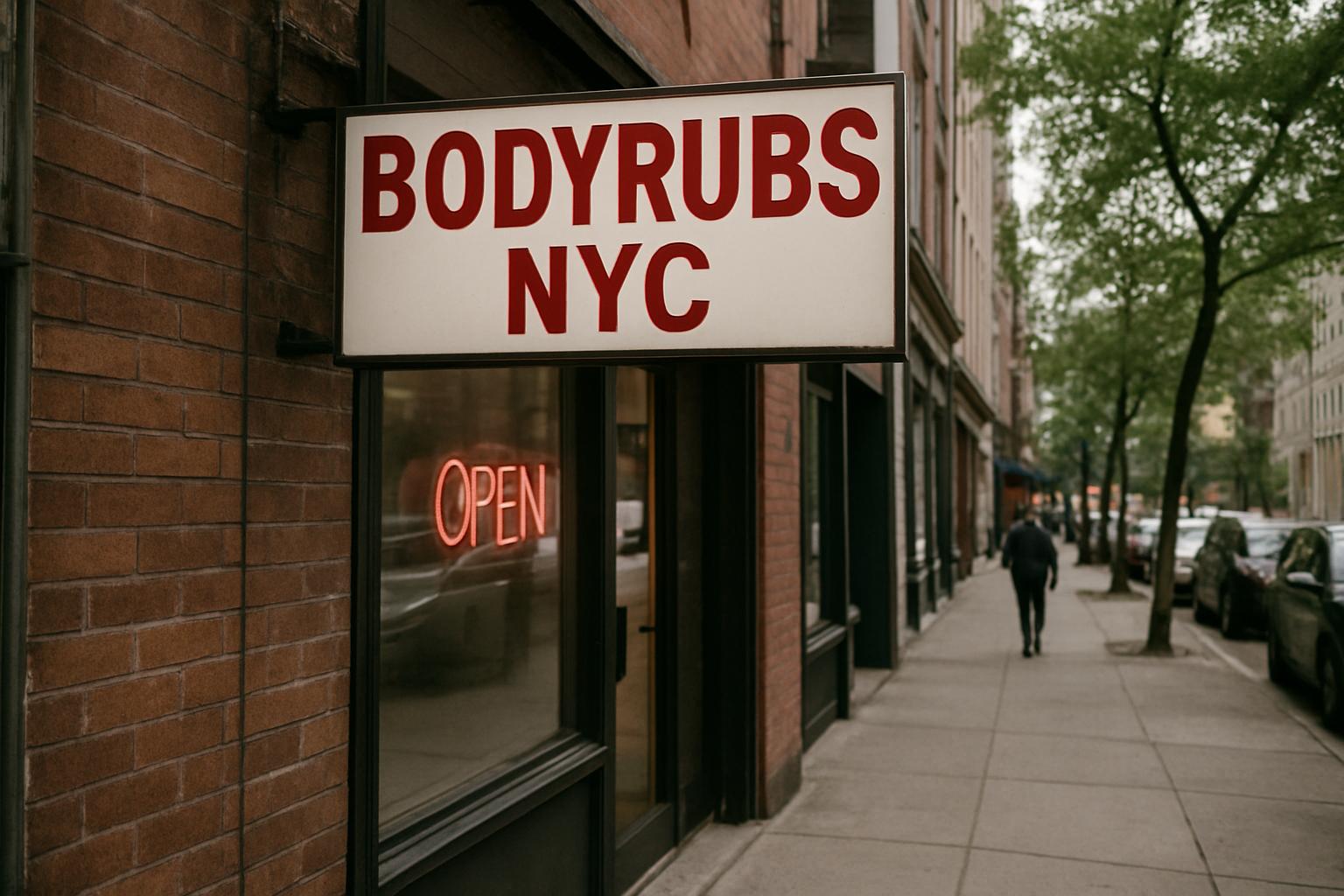
Use multiple sources when researching providers: search engines, review platforms, and official public resources. Professional organizations and state or local health departments can offer guidance about licensing and sanitary standards. Community groups—local neighborhood forums or health-focused networks—can provide firsthand recommendations, though individual experiences vary.
When booking through apps or marketplaces, read the full listing and any fine print, examine recent reviews, and contact the provider to confirm details before paying. Keep copies of receipts and communications in case you need to follow up. If you’re seeking a therapist for a specific medical issue, consider asking your primary care physician or a physical therapist for referrals; many clinicians maintain lists of trusted practitioners.
Conclusion
Finding a bodyrub in NYC that leaves you relaxed and safe requires attention to credentials, clear communication about expectations, and sensible boundaries. With a little research—checking credentials, reading reviews, asking precise questions—you can enjoy restorative touch without the guesswork. Prioritize transparency, cleanliness, and respect, and your next session will be about nothing more complicated than unwinding.