
New York City is noisy, fast, and full of motion. Amid the rush, Japanese massage offers a curve of calm—precise, often deep, and rooted in centuries of technique. Whether you’re a curious traveler, a local with chronic shoulder tension, or someone who simply prefers a different approach to bodywork, the variety of Japanese-style therapies in NYC is worth exploring.
This guide walks you through what Japanese massage means, what styles you’ll encounter in the five boroughs, how sessions typically run, and useful etiquette and booking tips. I’ll also include a practical table of length-and-price ranges and two hands-on lists to help you decide what to try first. Read on to discover how a distinctly Japanese approach to touch translates into Manhattan high-rises, Brooklyn brownstones, and the quieter studios tucked in side streets.
What is Japanese Massage?
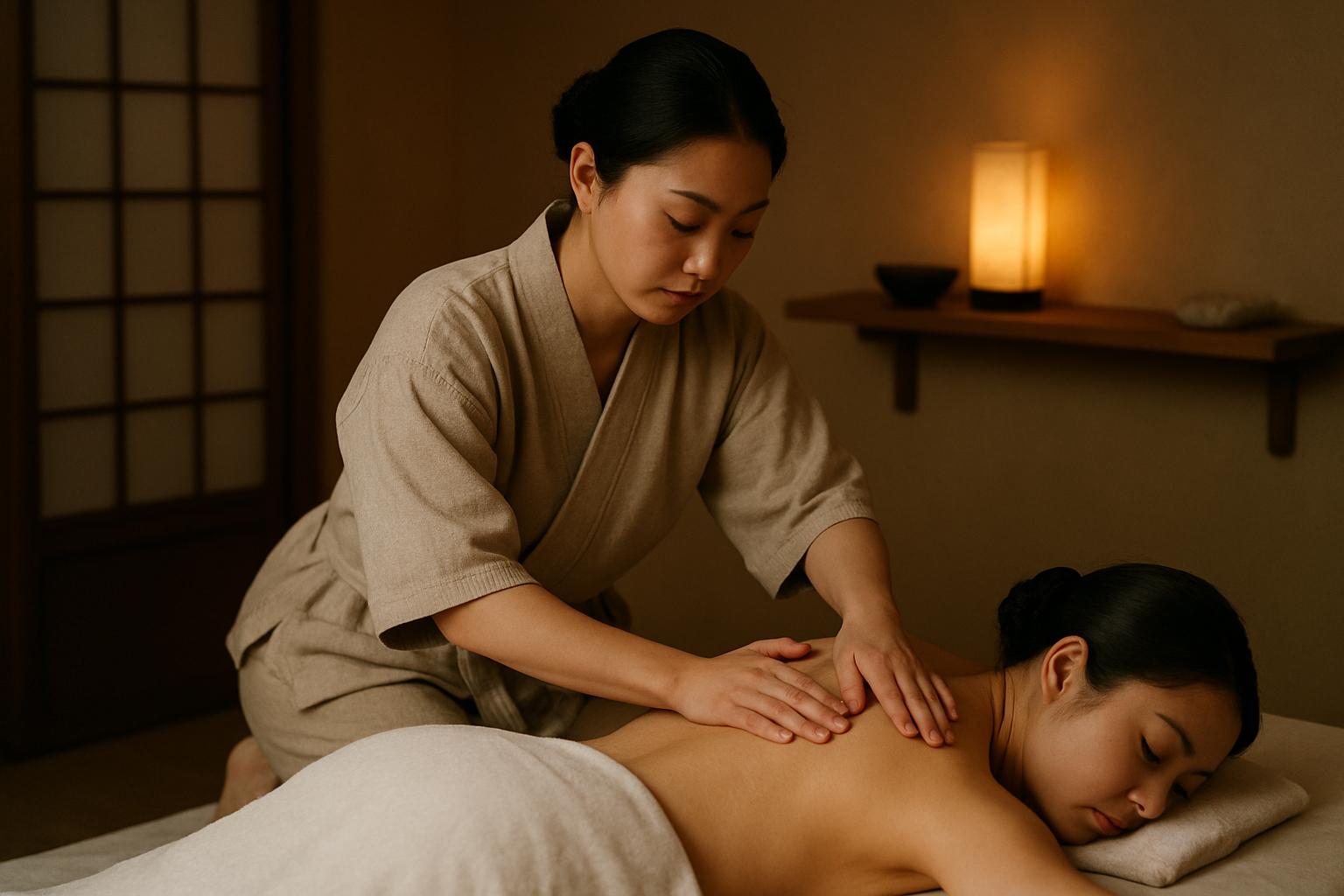
Japanese massage is an umbrella term that covers several related practices from Japan. At its heart is a focus on meridian lines, pressure points, and rhythmic manipulation rather than long, oil-based gliding strokes you might expect from Swedish massage. Practitioners rely on thumbs, palms, elbows, and sometimes knuckles to apply sustained pressure, stimulating circulation and releasing muscle knots.
Historically, these techniques evolved from traditional Chinese medicine influences and Japan’s own folk therapies. The most familiar style in the West is shiatsu, a form of acupressure that uses firm pressure and stretches. Other modalities like anma (an older, kneading-based technique), amma (an approach that influenced Western massage), and kobido (a specialized facial massage) each bring a slightly different focus and rhythm. In NYC you’ll find both modern interpretations and faithful, classical practices.
Styles You’ll Find in New York City
Sifting through studio descriptions, you’ll encounter a small family of Japanese methods. Shiatsu clinics emphasize energy balance and may use sequences informed by meridian theory. Anma tends to concentrate on muscle kneading, tapping, and percussive movements. Kobido is subtle and facial-forward; it’s less about deep tissue and more about lymphatic flow, tone, and cosmetic rejuvenation.
Some studios blend Japanese techniques with Western modalities, offering sessions that might start with shiatsu and finish with stretching or passive joint mobilization. Others maintain a purist approach, training therapists in Japan or following strict protocols. The key is to read studio descriptions and ask about training—especially if you have specific health concerns or injuries.
- Shiatsu: Acupressure-based, often clothed sessions, focus on meridians and energetic balance.
- Anma/Amma: Traditional kneading, pressing, and rhythmic tapping; can be invigorating and deep.
- Kobido: Japanese facial massage; gentle, focused on lifting and lymphatic drainage.
- Integrated sessions: Combine Japanese approaches with Western techniques like myofascial release or stretching.
What to Expect at Your First Session
Knowing the rhythm of a Japanese-style session reduces surprise. Many shiatsu and anma treatments are performed with the client fully clothed on a futon or massage table; practitioners often ask you to wear loose, comfortable clothing. Some bare-skin options exist—kobido, for instance, usually involves direct facial contact and oils or creams. Ask beforehand so you can dress appropriately.
Intake typically includes questions about your health, pain patterns, and any recent injuries. The practitioner may palpate areas to find tension and then apply sustained pressure, alternating with stretches or joint movements. Expect controlled, sometimes intense pressure in targeted areas. Communication matters: good practitioners will check in about pressure and adjust accordingly. If you prefer gentler work, say so early in the session.
Etiquette and Cultural Notes
Etiquette in a Japanese massage studio in NYC is straightforward but slightly different from other spas. Tipping patterns follow local conventions—15–25% is common for independent therapists, though some clinics include a service charge. Silence is generally respected; many studios encourage quiet or soft music to maintain focus. Phones are unwelcome during treatment, so it’s polite to silence them before your session begins.
Respecting boundaries is also crucial. Many Japanese-style treatments emphasize intention and mindful touch; practitioners often use short pauses to feel energy and tissue response. That doesn’t mean the session is cold—communication remains important. If the pressure is uncomfortable or if a movement aggravates an injury, signal the practitioner. A well-trained therapist will appreciate clear feedback and adjust the technique without offense.
Where to Find Japanese Massage in NYC
Japanese techniques are distributed across Manhattan, Brooklyn, and beyond. Midtown and the Flatiron area host a mix of small clinics and larger spas where business travelers can drop in. Neighborhoods like the East Village, Chelsea, and the Lower East Side have boutique studios focusing on authentic shiatsu and anma. Brooklyn offers quieter, practitioner-run spaces where sessions can feel more intimate—Greenpoint and Williamsburg are two neighborhoods with growing wellness scenes.
When searching, use keywords like “shiatsu,” “Japanese anma,” or “kobido facial” rather than the generic “Japanese massage.” Check practitioner bios for training credentials and whether therapists studied in Japan or with certified instructors. Reviews can give a sense of consistency, but remember that personal preference plays a big role; one person’s restorative session might be another’s too-deep experience.
Sample Session Lengths and Price Ranges
Prices in NYC vary widely depending on location, studio reputation, and whether the practitioner is independent or part of a luxury spa. Below is a conservative table to help set expectations. These ranges are illustrative; always confirm current prices with the studio.
| Service | Typical Length | Typical NYC Price Range |
|---|---|---|
| Shiatsu (standard) | 50–60 minutes | $80–$160 |
| Anma / Amma | 30–60 minutes | $60–$140 |
| Kobido (facial) | 45–75 minutes | $90–$200 |
| Specialized or combined sessions | 60–90 minutes | $120–$250+ |
Choosing the Right Session: A Practical Checklist
Deciding what to book depends on your goals. Are you seeking pain relief, relaxation, or cosmetic facial work? Short sessions can address immediate pain points; longer sessions allow for deeper, systemic work. If you’re new to these techniques, a 50–60 minute shiatsu session is a good starting point. If facial tone or wrinkles are your priority, look for kobido specialists with clear before-and-after photos and client testimonials.
Pay attention to how studios describe the therapist’s training. Many reputable practitioners list certification bodies or apprenticeships under established teachers. If you have specific medical issues, consult your physician and inform the therapist in advance; practitioners can adapt pressure and technique around injuries and contraindications.
- Identify your goal: pain relief, relaxation, or cosmetic results.
- Check therapist credentials and training background.
- Confirm whether the session is clothed or oil-based, and dress accordingly.
- Start with a moderate length (50–60 minutes) if you’re new to the modality.
- Communicate openly about pressure and comfort during the session.
Comparing Japanese Massage with Other Traditions
Compared to Swedish or deep-tissue techniques, Japanese massage often focuses less on long glides and more on directed, sustained pressure and joint mobilization. Acupressure points and meridian theory are central in shiatsu, making it feel closer to acupuncture in intention, though without needles. Unlike many spa massages, sessions can be quieter, more meditative, and intentionally rhythmic.
That difference matters if you have specific needs. For athletes or people seeking muscular release, added stretching and targeted pressure in anma or integrated sessions can be very effective. For stress reduction and energy balancing, shiatsu’s slower, steady cadences may feel restorative. Ultimately, the best choice is the one that aligns with your body’s response and the therapist’s skill.
Practical Tips Before You Book
Simple preparation improves the experience. Hydrate before and after, wear breathable clothes for clothed sessions, and arrive a few minutes early so the therapist can take a thorough intake. If you have high blood pressure, recent surgery, or a serious medical condition, check with your doctor and disclose details to the therapist. A competent practitioner will suggest modifications or decline work when necessary for your safety.
Finally, consider frequency. For chronic tension, a weekly or biweekly rhythm may produce faster results; for maintenance, monthly sessions often suffice. Track how your body reacts—sometimes soreness follows deep work, but it should resolve within 24–48 hours. If pain persists, contact the therapist to discuss adjustments.
Conclusion
Japanese massage in NYC offers a thoughtful counterpoint to the city’s pace: focused, skilled work that can ease pain, restore calm, and refine facial tone. Explore different styles, read practitioner bios, and communicate your needs clearly. With a bit of preparation and the right match, a single session can be enlightening—and a regular practice can become a quietly powerful part of how you stay centered in the city.