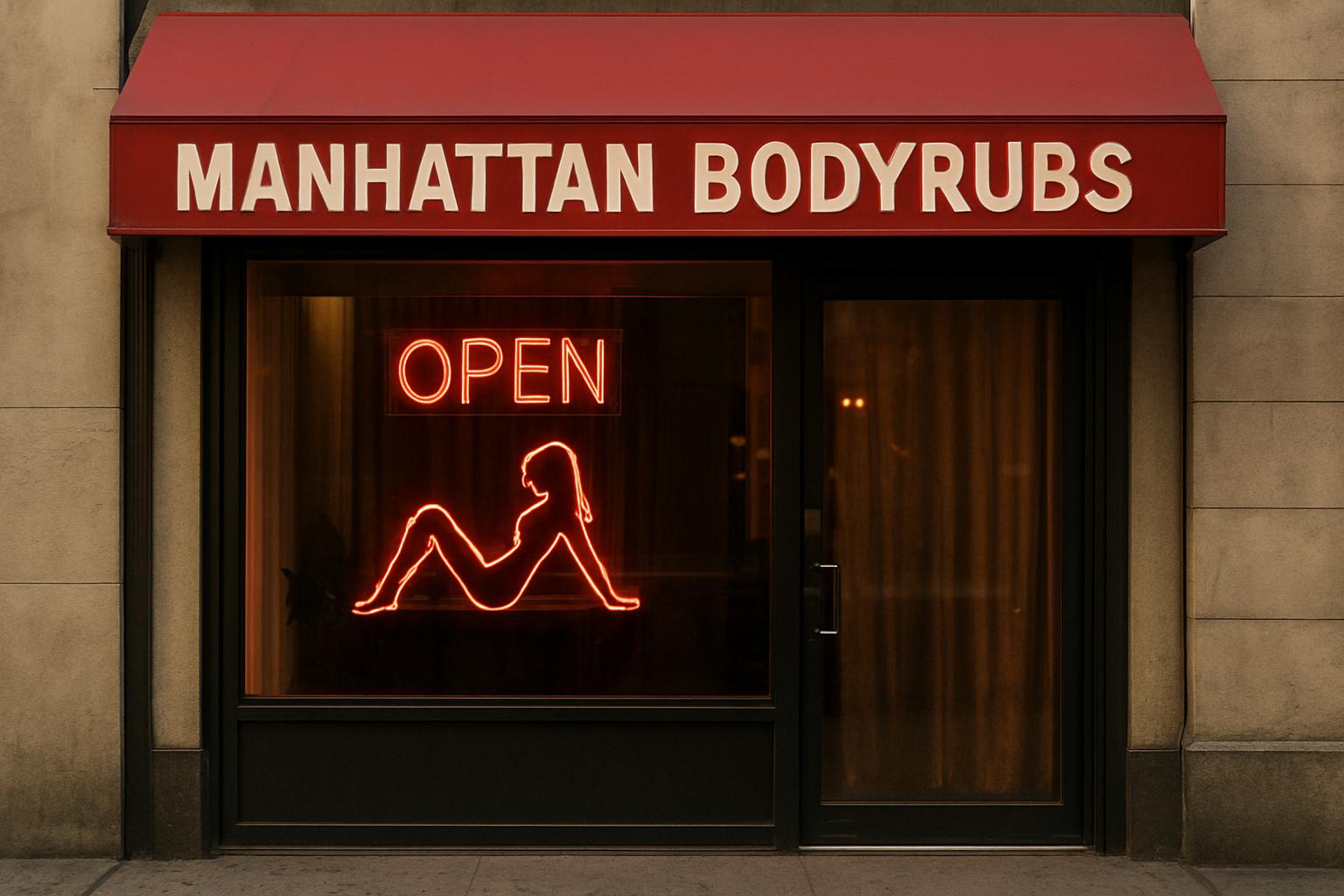

What «Bodyrubs» Means in Manhattan Today
The phrase «bodyrubs» can feel ambiguous—part slang, part shorthand—and in Manhattan it covers a wide range of services. For many people it simply means a professional massage: a licensed therapist working with oils, lotions, and a knowledge of muscles and connective tissue. For others it may suggest a less formal, more ambiguous service. Understanding the landscape starts with separating reputable, therapeutic offerings from anything that feels unregulated or risky.
Manhattan’s wellness scene mixes high-end spa brands, independent therapists, hotel spas, and smaller neighborhood shops. Each comes with its own vibe and standards. A luxury Midtown spa will have protocols, scheduling systems, and clear pricing; a small storefront in an offbeat neighborhood might be more informal. Neither is inherently bad, but knowing what to expect helps you choose the right environment for your needs.
Types of Bodyrubs and What They Feel Like
There is no single «bodyrub» experience—technique, pressure, and intent vary. Swedish massage focuses on relaxation with long, flowing strokes; deep tissue targets deeper layers of muscle with slower, more focused pressure; and modalities such as Thai or sports massage incorporate stretching and movement. Each modality serves a different purpose, whether easing chronic tension, improving recovery after exercise, or offering pure relaxation.
Picking the right type comes down to your goals. If you want to unwind after a long flight, a gentle Swedish session may be ideal. If you have a specific tight spot that keeps recurring, a deep tissue approach or a session with a sports therapist could be more effective. Manhattan therapists often combine techniques to address individual needs rather than sticking strictly to one label.
| Style | Typical Pressure | Common Uses | Typical Manhattan Price for 60 min (estimate) |
|---|---|---|---|
| Swedish | Light to medium | Relaxation, stress relief | $90–$200 |
| Deep Tissue | Medium to firm | Chronic muscle tension, rehabilitative work | $100–$220 |
| Sports | Medium to firm | Injury prevention, athletic recovery | $100–$230 |
| Thai / Assisted Stretching | Variable (includes movement) | Flexibility, mobility, energetic balance | $110–$240 |
| Aromatherapy / Hot Stone | Light to medium | Deep relaxation, stress reduction | $120–$260 |
The price ranges above are estimates reflecting Manhattan’s higher rental and operating costs. Boutique and destination spas command premium rates, while independent therapists may offer competitive pricing. Remember that longer sessions and specialty treatments commonly push prices higher.
How to Find a Reputable Therapist in Manhattan
Finding someone you trust requires a little research. Start with credentials: many legitimate practitioners will list certifications, memberships in professional associations, or completion of accredited programs. Websites and review platforms provide clues, but use them as one data point rather than the sole basis for a decision.
Another reliable route is personal recommendations. Ask friends, coworkers, or local community groups for names. If you prefer online search, look for clear contact information, transparent pricing, and explanations of modalities. A professional business will usually have a booking system, cancellation policy, and a clear description of what happens during a session.
- Check credentials and certifications—ask about training and years of practice.
- Read recent reviews and look for consistent themes rather than single comments.
- Confirm what’s included: table time, consultation, sheets, oils, and post-session advice.
- Call or message ahead with any medical conditions or preferences to gauge responsiveness.
- Book a shorter session first to assess comfort and technique before committing to longer treatments.
Etiquette, Safety, and Practical Tips
Respectful communication and mutual boundaries make any session better. Before the table, expect a brief consultation where you can share medical history, areas of pain, and pressure preferences. If the therapist asks questions about injuries or medications, it’s to tailor the session safely—not to pry.
During the massage you are in control. Therapists will typically leave the room while you undress to your comfort level and settle under the sheet or towel. If you ever feel uncomfortable with a technique, pressure, or comment, speak up. A skilled professional will adjust immediately and check in periodically.
- Bring a list of medications, recent injuries, and any allergies.
- Arrive ten minutes early to fill out forms and relax into the experience.
- Avoid heavy meals or alcohol right before your appointment.
- Hydrate after the session—massage can mobilize fluids and metabolites.
- Watch for red flags: reluctance to answer questions, lack of professional space, or pressure to add services beyond the scope of therapy.
Pricing, Booking, and What to Expect During a Session
Booking in Manhattan works much like other cities: you can call, use an app, or book through a website. Peak times—weekends and evenings—fill up quickly, so plan ahead for appointments during busy periods. Refunds and cancellations vary; reputable providers will post a policy and stick to it.
On the day, expect a short intake where you and the therapist set goals for the session. The amount of draping, whether oils are used, and how much conversation happens during the massage are all adjustable preferences. Many therapists will suggest home care—stretches, ice, heat, or follow-up sessions—to extend the benefits of your visit.
Legal and Health Considerations
Massage and bodywork in Manhattan operate within a web of regulations and health standards. Legitimate businesses follow sanitation protocols and respect client privacy. If you have specific health conditions—pregnancy, recent surgeries, cancer, blood clotting disorders, or severe cardiovascular issues—consult your physician before booking and inform the therapist during intake so they can adapt techniques.
New York’s regulatory environment expects practitioners to follow professional and ethical standards, though specifics of licensure can vary by practitioner type and training. If anything feels uncertain—health claims that sound exaggerated, insistence on cash-only transactions with no receipts, or pressure to engage in services outside standard therapeutic practice—step away and report the business if necessary. Public health and consumer protection agencies maintain complaint processes should you need them.
Neighborhoods, Ambience, and Finding the Right Fit
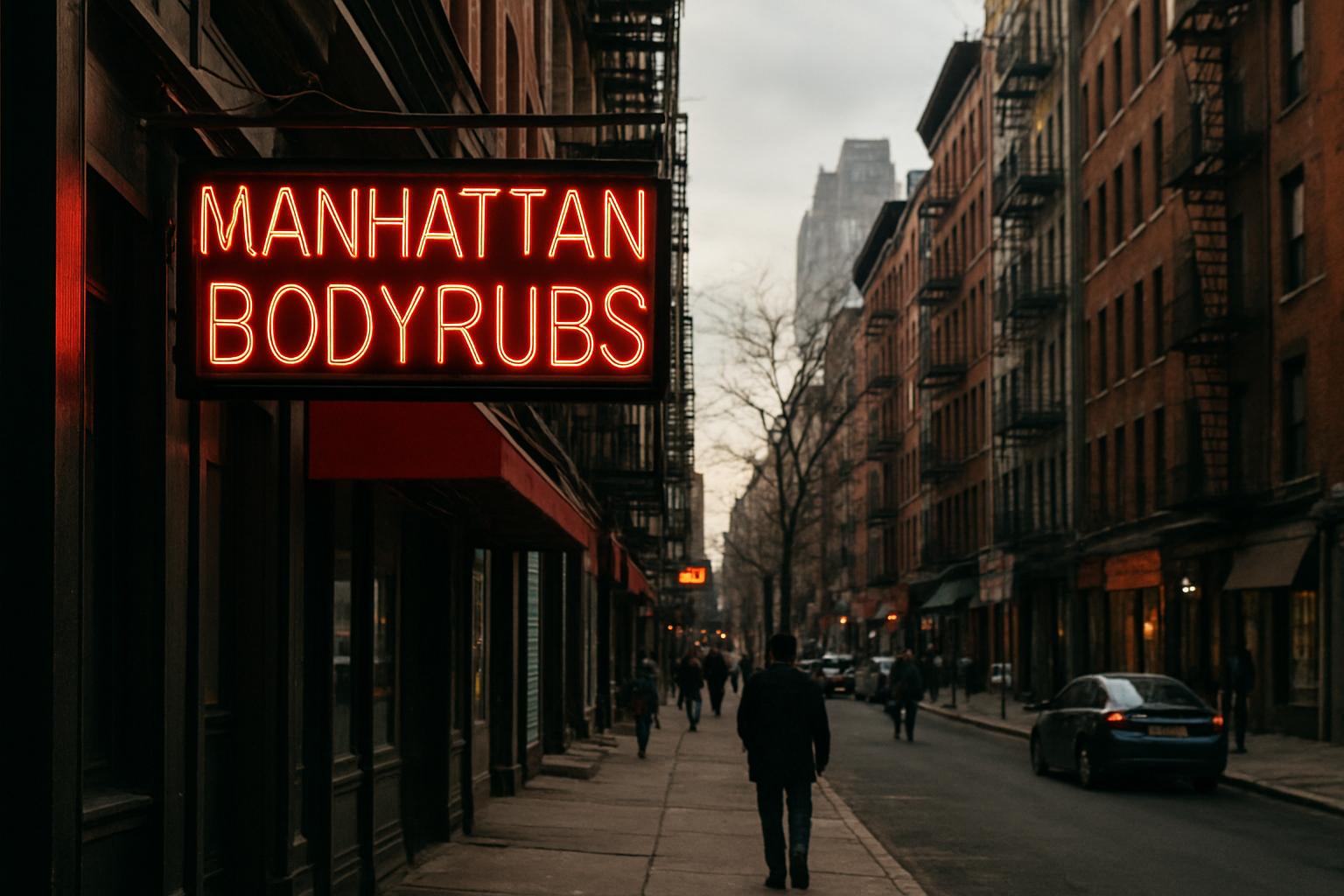
Manhattan offers a spectrum of atmospheres. A SoHo studio may have a modern, minimalist aesthetic; the Upper East Side might host more traditional spa experiences; the East Village and Lower Manhattan can host eclectic practitioners with alternative therapies. Choosing a neighborhood is often about convenience—near work, home, or a favorite spot to decompress afterward.
Ambience matters. If you want quiet and formality, a luxury spa with private rooms and subdued music will suit you. If you prefer a casual, therapeutic atmosphere with focused bodywork, a smaller clinic might be better. Pay attention to cleanliness, staff professionalism, and whether the space aligns with the level of comfort you want.
When to See a Therapist Regularly
Frequency depends on goals. For chronic pain or rehabilitation, weekly or biweekly sessions can create momentum and measurable improvement. For general stress relief, monthly appointments often maintain benefits. Many people adopt a flexible approach—intensifying sessions during stressful periods or after athletic events, then spacing them out when things are stable.
Track how you feel in the days after a session—some soreness can be normal after deeper work, but persistent pain or worsening symptoms are signs to pause and consult with a healthcare provider. A good therapist will provide guidance on cadence and may coordinate care with other health professionals when appropriate.
Conclusion
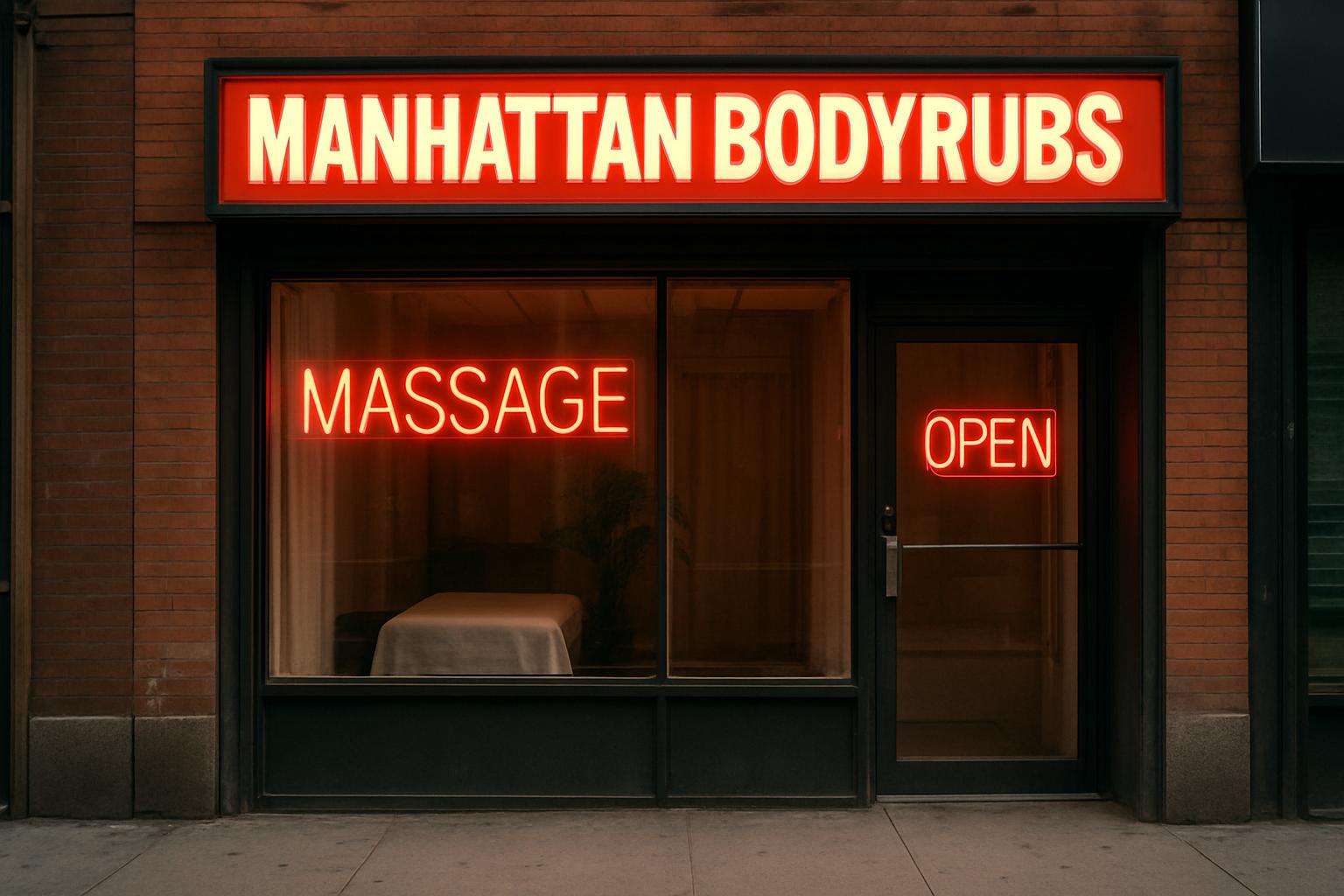
Manhattan bodyrubs encompass a wide range of legitimate, therapeutic practices that can relieve stress, ease pain, and improve mobility—if you choose thoughtfully. Look for clear credentials, transparent pricing, and a professional environment; communicate openly about goals and limits; and treat the first appointment as a chance to test fit. With a little research and straightforward expectations, you can find a provider in the city who helps you feel markedly better.