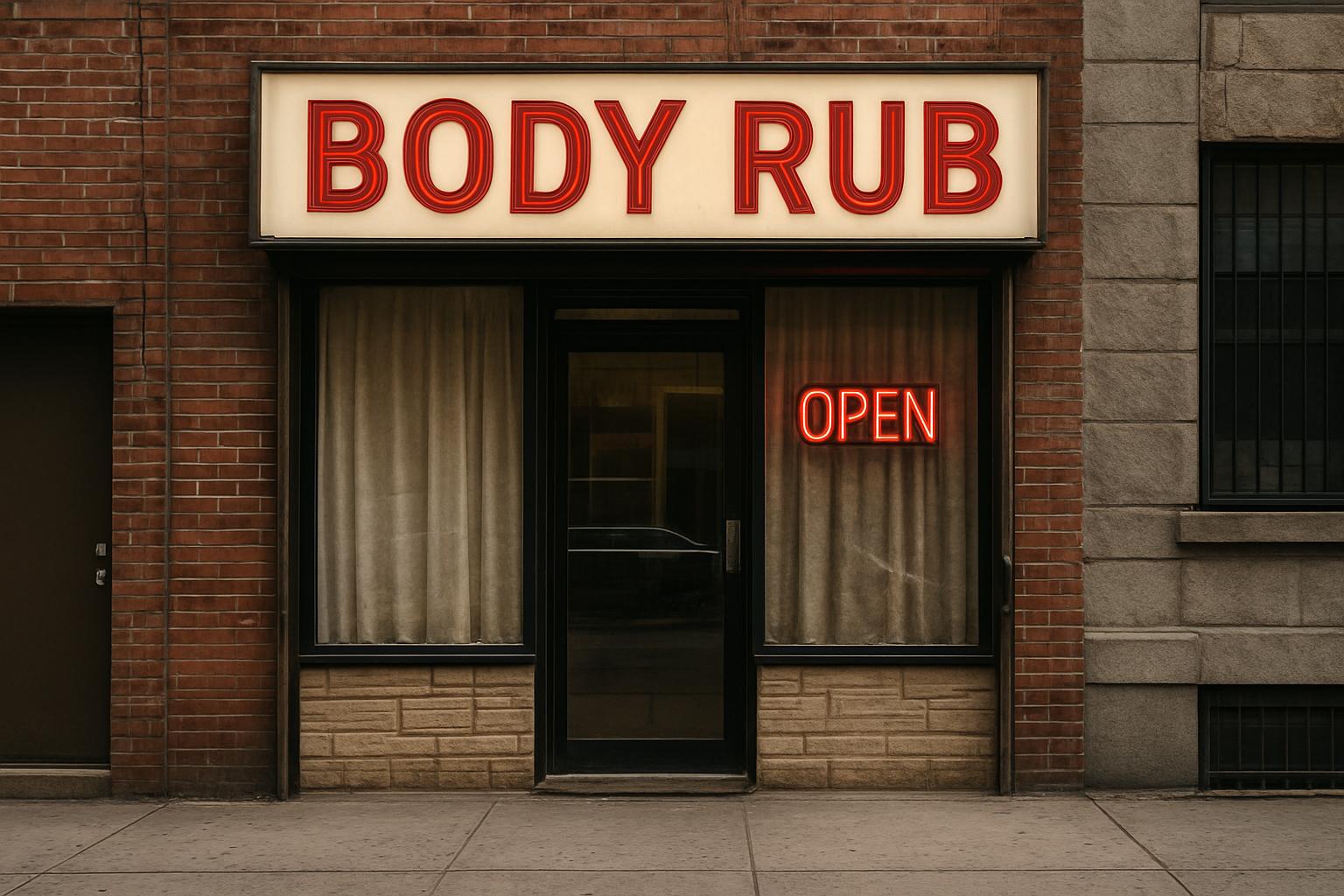

Brooklyn’s wellness scene hums with energy: independent therapists working out of renovated brownstones, neighborhood spas with steam rooms, and storefront clinics that focus on athletic recovery. “Body rub” is a broad phrase that can mean anything from a therapeutic massage to a less formal, nonmedical touch treatment. If you’re exploring options in Brooklyn, it helps to separate marketing language from the core facts—what the treatment aims to do, who’s performing it, how it’s regulated, and how to protect your time, money, and comfort.
This guide walks through what reputable body rubs and massage services are, how to choose a provider, what to expect during an appointment, and practical safety tips for navigating Brooklyn’s many options without discomfort or surprises.
What “Body Rub” Can Mean in Brooklyn
In conversation and online listings, “body rub” sometimes appears as a casual synonym for massage. For others it signals particular techniques—lymphatic work, relaxation touch, or sports-focused therapy. Context matters: a licensed massage clinic will typically describe specific modalities (e.g., Swedish, deep tissue, sports) and list practitioner credentials, while informal ads may be vaguer.
Understanding that range helps you ask focused questions up front. Are you booking to ease a stiff neck, recover from a workout, relieve chronic pain, or simply relax? The clearer your goal, the easier it is to match service descriptions to a reliable provider.
Language also signals professionalism. A legitimate practice will explain session length, pricing, cancellation policies, the qualifications of staff, and what to expect physically. If a listing avoids specifics or pressures you with ambiguous phrasing, that’s a cue to look elsewhere.
Types of Legitimate Body Rubs and Therapies
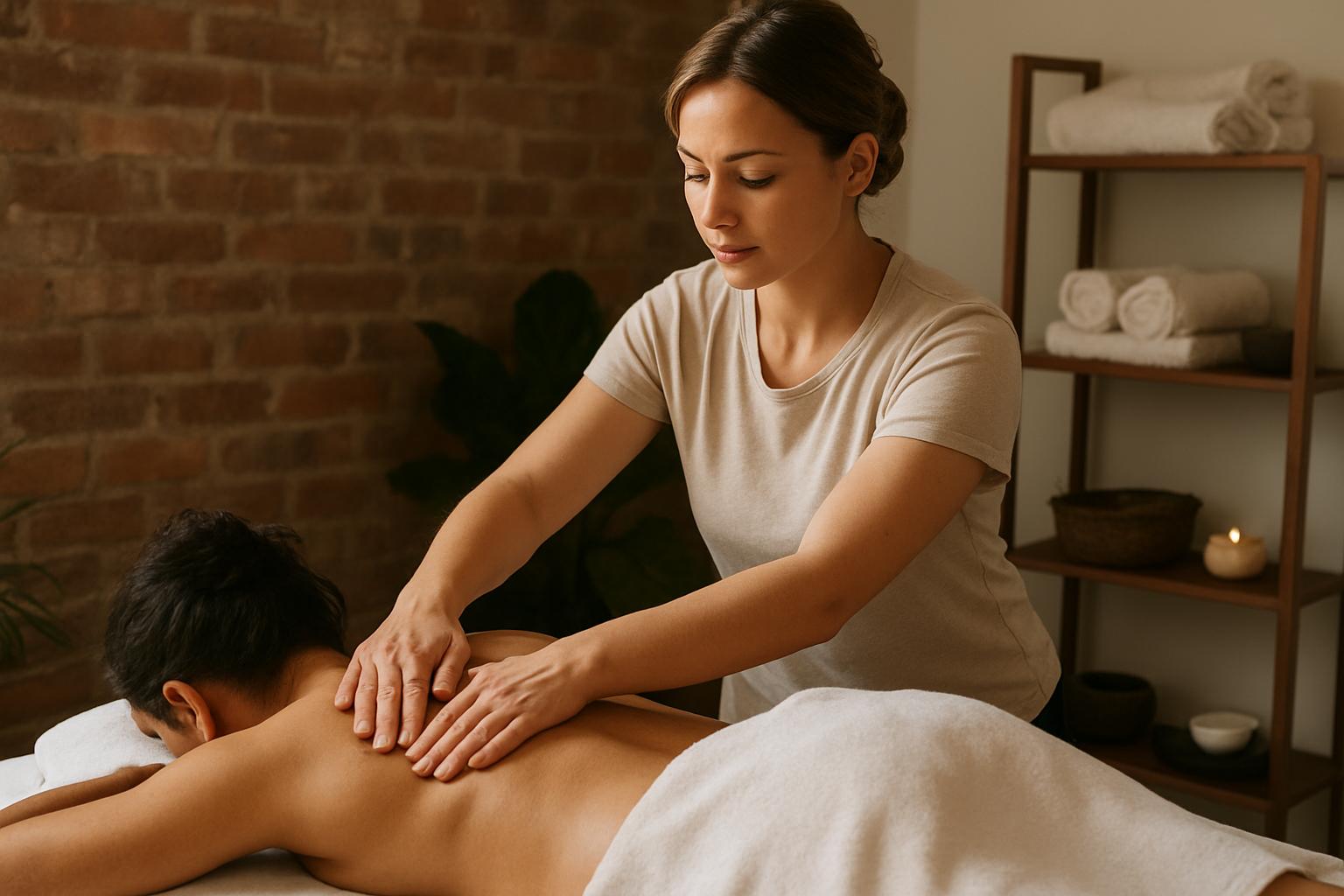
Massage and therapeutic touch come in many forms. Some focus on relaxation and circulation; others target muscle adhesions and mobility. Below are common modalities you’ll encounter in Brooklyn and what they usually aim to achieve.
| Modality | Typical Duration | Pressure & Focus | Best For |
|---|---|---|---|
| Swedish Massage | 30–90 minutes | Gentle to medium; broad strokes | Relaxation, stress relief, general circulation |
| Deep Tissue | 45–90 minutes | Firm; targets deeper muscle layers | Chronic tension, postural strain, persistent knots |
| Sports Massage | 30–90 minutes | Variable; pre/post-event focus | Athletic recovery, injury prevention, performance |
| Shiatsu/Acupressure | 30–60 minutes | Thumbs and palms; pressure at points | Energy balance, muscle tension, circulation |
| Thai Massage | 60–120 minutes | Stretching and rhythmic pressure | Flexibility, joint mobility, whole-body release |
Practitioners sometimes blend techniques. A session billed as a “therapeutic body rub” could incorporate myofascial release, trigger point work, or light lymphatic drainage. If you have medical conditions, ask whether your therapist coordinates with medical providers; many therapists are happy to work with physician notes or PT recommendations.
Licensing, Permits, and Legal Considerations
Regulatory frameworks matter. In New York, professional credentials and business permits vary: some therapists hold certifications from accredited massage schools or professional associations, while businesses must meet local rules about health and safety. Legitimate clinics will display credentials or provide them on request and maintain clear intake and consent procedures.
Before booking, confirm that the therapist has completed recognized training and that the clinic follows standard sanitation practices—clean linens, handwashing protocols, and a documented policy for infection control. When in doubt, ask for the practitioner’s training background and whether they carry liability insurance.
If a service sounds illegal or pushes you to pay cash for something not described in writing, step back. Brooklyn has many excellent, aboveboard practitioners; avoiding ambiguous offers protects your safety and supports reputable businesses.
How to Choose a Reputable Provider
Finding the right therapist requires a mix of research and intuition. Start by scanning reviews, but don’t rely on star ratings alone. Look for detailed comments about therapist competence, professionalism, and the clinic environment. Pay attention to whether reviewers mention clear communication about pressure, draping (privacy during the session), and how the therapist adapted treatment to individual needs.
Use these quick checks before booking:
- Does the listing specify modalities, session length, and pricing?
- Are credentials and training clearly stated or available on request?
- Does the clinic describe sanitation, linens, and intake procedures?
- Is the environment professional—clean, well-lit, and private?
- Do staff and therapists respect boundaries and answer questions directly?
Trust your first impression on the phone or email. A helpful receptionist or practitioner who clarifies expectations is a positive sign. If you feel rushed or pressured—toward tipping, purchasing packages, or buying add-on services—consider that a red flag.
Costs, Timing, and What to Expect
Price depends on neighborhood, therapist experience, and modality. In Brooklyn, a 60-minute session at an independent therapist or small spa commonly runs from around $70 up to $150, with higher-end medical or specialty clinics charging more. Short sessions (30 minutes) and extended sessions (90 minutes) change the rate accordingly, and package deals can lower per-session costs.
Expect an intake form before your first session. You’ll be asked about medical history, areas of pain, allergies, and preferences for pressure. Therapists should explain draping—how they’ll cover you with sheets—and obtain verbal consent before beginning. If a technique is likely to be intense, a good therapist will offer options and check in periodically.
Plan to arrive a little early to fill out paperwork and to allow time for relaxed transition into the treatment. After the session, you may be offered water and brief aftercare advice—stretching, application of ice or heat, or recommendations for follow-up sessions.
Neighborhoods and Where to Look in Brooklyn
Every Brooklyn neighborhood has its own vibe and cluster of wellness options. Park Slope and Brooklyn Heights attract long-standing clinics and family-friendly spas. Williamsburg and Greenpoint tend toward boutique studios with trends in somatic or alternative therapies. Downtown Brooklyn and DUMBO feature downtown clinics catering to office workers and athletes, and South Brooklyn neighborhoods host practical, affordable options.
Look beyond flashy storefronts. Many skilled therapists work from shared wellness spaces, small studios, or by appointment only. Local community boards, neighborhood Facebook groups, and recommendations from friends who have similar needs often point you toward hidden gems.
Etiquette, Boundaries, and Safety
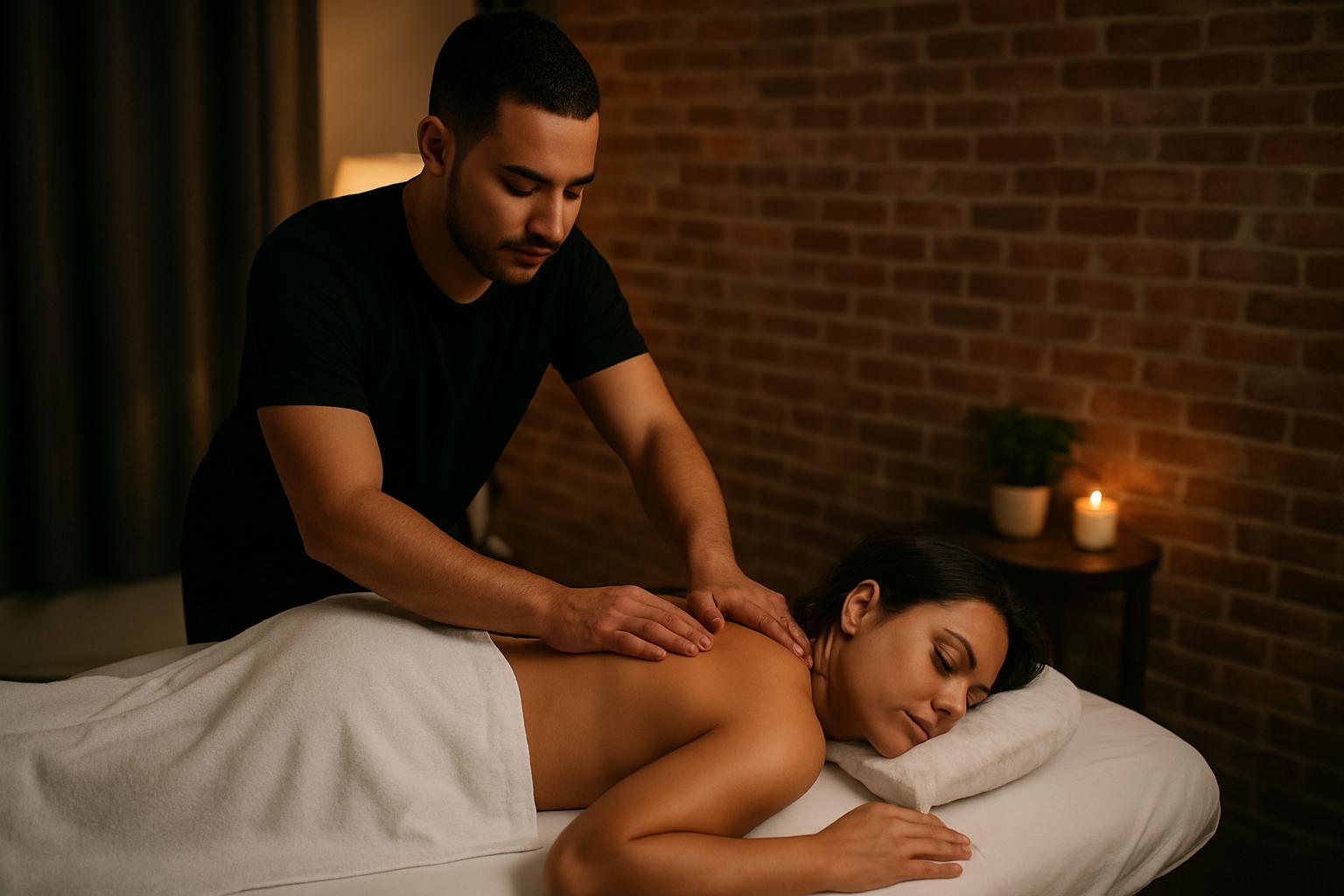
Clear communication is the backbone of a good session. Before massage begins, state your comfort level with pressure, areas you want addressed, and any areas you prefer left untouched. Therapists should respect modesty and use professional draping at all times. If anything feels inappropriate, say so immediately and leave if necessary.
Bring a list of current medications or conditions if you have chronic health issues. If you’re pregnant, plan to see a therapist with prenatal training. For intense modalities, ask about post-session expectations: soreness, hydration, and signs that warrant professional medical attention.
If you encounter solicitations for illegal services or behavior that makes you uncomfortable, report the listing to the platform you found it on and, if necessary, contact local authorities. Reputable therapists support client safety and will not pressure you into anything outside the agreed treatment.
Health Benefits and Limits
Therapeutic bodywork can relieve muscle tension, improve circulation, reduce perceived stress, and help with recovery after physical activity. Many clients report improved sleep and reduced anxiety after consistent sessions. However, massage is not a cure-all. It’s an adjunct to medical care for conditions like chronic pain, and it should complement—not replace—advice from physicians or physical therapists when injuries or serious illnesses are involved.
Contraindications exist: active infections, open wounds, some cardiovascular conditions, and certain skin disorders may make massage inappropriate. Honest disclosure during intake helps therapists tailor treatments safely. If you have doubt, ask your primary care provider whether massage is advisable for your situation.
Practical Checklist Before Booking
- Confirm the practitioner’s training and whether they carry liability insurance.
- Verify session length, exact pricing, and cancellation policies in writing.
- Ask about sanitation protocols and how linens are handled.
- Confirm accessibility needs and parking or transit options.
- Prepare to communicate any medical conditions or recent surgeries.
Conclusion
Finding a good body-rub or massage service in Brooklyn means matching your goals with a provider who is transparent, trained, and respectful of boundaries; a bit of research and clear communication will go a long way toward a safe, effective, and restorative experience.