
What people mean by «body rub» in Toronto
Languages shift and so do euphemisms. In Toronto, the phrase «body rub» can cover a wide range of services, from straightforward therapeutic massage to more ambiguous offerings that sit outside conventional health care. Understanding that range is the first step to making an informed choice about where to go and what to expect.
Many Torontonians use the term to mean a standard massage—muscle work aimed at relieving tension, improving mobility, or aiding recovery after exercise. Others use it as shorthand for services that may include sensual or non-therapeutic elements, which are not part of regulated massage therapy. Knowing the difference helps you choose a provider whose training, atmosphere, and policies match your needs and values.
Regulation, credentials, and the local legal context
Massage therapy in Ontario is a regulated health profession. Registered Massage Therapists (RMTs) must meet education and competency standards and are overseen by the College of Massage Therapists of Ontario (CMTO). If you’re seeking clinically informed treatment for pain, injury, or rehabilitation, an RMT will typically be the safest, most accountable choice.
Outside regulated massage therapy, a variety of spas, wellness centres, and private operators offer bodywork that may not require the same credentials. Rules vary by municipality and by the nature of services offered, so establishments will differ in registration, licensing, and oversight. If you’re concerned about legality or professional standards, check for visible credentials, posted policies, and clear contact information before booking.
How to find reputable services in Toronto
Start with simple verification. A legitimate clinic or spa usually lists its address, phone number, and staff credentials. Professional associations, business listings with verified reviews, and the CMTO public register are useful places to confirm that an RMT is licensed and in good standing.
You can also learn a lot by looking at how a place describes its services. Clear descriptions of techniques, wellness goals, and pricing signal transparency. Vague language, no contact details, or last-minute location changes are common red flags. If you prefer an in-person scoping visit, many reputable clinics allow brief tours or consultations before an appointment.
- Search for «Registered Massage Therapist» or check the CMTO register for names.
- Read multiple recent reviews—pay attention to comments about hygiene, professionalism, and punctuality.
- Prefer establishments that publish pricing, cancellation policies, and consent protocols.
- If you have a health concern, choose a therapist who welcomes pre-treatment intake and follow-up.
What to expect during a professional session
A standard therapeutic session begins with an intake: health history, current concerns, and goals for the visit. The therapist will explain the plan, obtain informed consent, and outline what areas of the body will be worked on. Draping with sheets or towels is routine; only the area being treated is exposed and only with explicit consent.
Techniques and pressure vary by practitioner and client need—swedish strokes, deeper myofascial work, trigger point release, or mobility-focused approaches. Sessions commonly last 30, 60, or 90 minutes. Payment, tipping, and cancellation policies are typically addressed when you book. If anything feels uncomfortable during the treatment, you have the right to stop or to ask the therapist to change technique or pressure.
Below is a table with approximate service types, durations, and price ranges to give a general sense of what to expect in Toronto. These figures are illustrative and can vary by neighbourhood and provider.
| Service type | Typical duration | Approximate price (CAD) | Provider credentials |
|---|---|---|---|
| Registered Massage Therapy (clinical) | 30–90 minutes | $60–$150 | RMT, College-registered |
| Spa/relaxation massage | 30–90 minutes | $70–$160 | Spa therapists (varied training) |
| Chair massage (public settings) | 10–30 minutes | $15–$50 | Depends on event/provider |
| Mobile/home visit massage | 60–90 minutes | $80–$180 (includes travel) | RMTs and private therapists |
Etiquette, boundaries, and communication
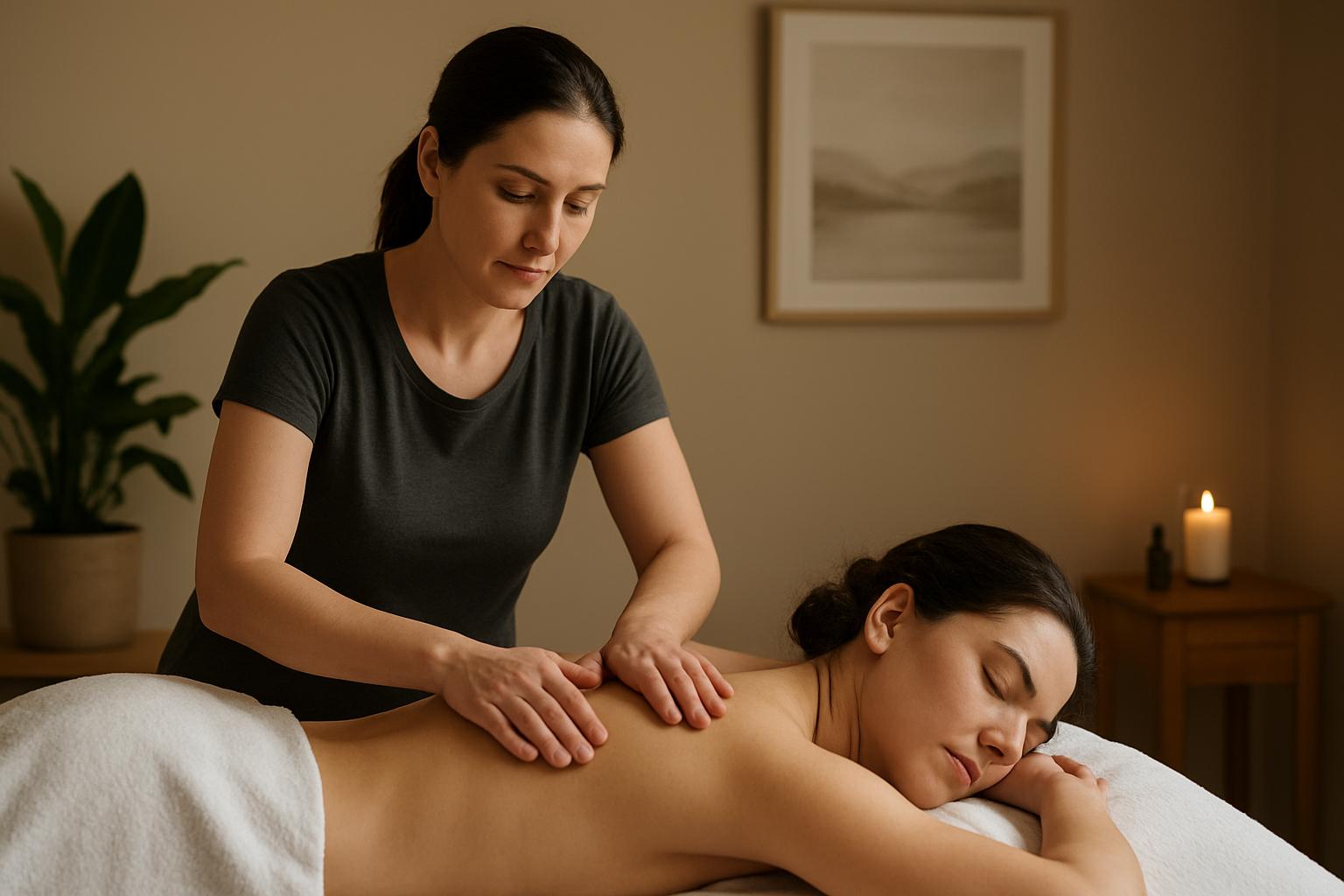
Good communication makes a good session. Arrive a few minutes early to fill out intake forms, and be honest about your health history—medical conditions, recent surgeries, or medications can influence safe techniques. Speak up about pressure: if something hurts in a way that feels unsafe, tell the therapist immediately.
Respect the therapist’s professional boundaries. Expect draping and informed consent; if a provider asks you to remove more clothing than seems necessary, or suggests services in locations or formats that don’t match the venue’s description, reconsider the appointment. Gratuity practices vary—if you choose to tip, do so based on the quality of service and your own custom.
- Do ask about credentials and methods before booking.
- Do communicate medical issues and comfort levels clearly.
- Don’t offer cash under the table to avoid receipts or policies.
- Don’t pressure a therapist to exceed stated boundaries or services.
Safety, red flags, and how to reduce risks
Safety includes both personal well-being and avoiding illegal or exploitative situations. Red flags include: no verifiable address, refusal to provide credentials, requests for cash-only payment without receipts, or marketing language that implies sexual services. Trustworthy businesses provide clear policies, accessible staff bios, and a professional atmosphere.
If you’re ever unsure, use public booking platforms or call the clinic to ask specific questions about techniques, sanitation, and cancellation policy. Bring a friend if you feel uneasy getting to or from an appointment, and keep your personal information minimal when booking—only what the clinic needs. For concerns about exploitation or criminal activity, Toronto has municipal and provincial reporting resources; local law enforcement can advise in urgent situations.
Choosing what’s right for you
Decide what you want to accomplish with a body rub: pain relief, relaxation, recovery from sport, or simply stress reduction. If medical or rehabilitative goals are primary, prioritize an RMT with relevant experience. If relaxation and spa ambience are your aim, a licensed spa with clear hygiene and booking policies can provide a restorative experience.
Price matters, but it’s not the only measure of quality. A lower rate may mean a shorter session, less experienced staff, or fewer protections. Conversely, premium pricing doesn’t automatically guarantee better outcomes. Weigh reviews, transparency, and credentials alongside cost, and choose a provider who communicates clearly and respects boundaries.
Resources and final practical tips
Toronto’s health and business landscape is large and varied. Use official registers like the CMTO to verify therapists, consult municipal business directories for licensed spas, and read a mix of recent reviews to build a clear picture of a place before you book. If you have a chronic condition or are pregnant, seek a therapist with specific, relevant training.
Keep basic hygiene and convenience in mind: parking, public transit access, clear cancellation windows, and the type of payment accepted. Finally, treat the experience as a partnership—the therapist brings skills, you bring information and feedback. That collaborative approach produces safer, more effective sessions.
Conclusion
Toronto offers many legitimate, professional bodywork options—understanding the differences between regulated massage therapy and other types of services, checking credentials, communicating clearly about goals and boundaries, and watching for red flags will help you find a safe, effective experience that meets your needs.