
The phrase «happy ending spa» gets tossed around in conversation, movies, and late-night jokes, but in New York it points to a knot of real-world issues: legality, safety, public health, and the line between licensed therapeutic care and illicit activity. This article walks through what the term really refers to, how New York’s laws treat it, practical signs that a business is operating above or below board, and what visitors should consider if they’re thinking about any spa experience in the city.
I’ll steer clear of gossipy details and instead focus on practical, verifiable information you can use to make safer choices and understand the risks involved. If you’re researching massage options in New York — whether for relaxation, injury recovery, or curiosity — this piece should give you a clear-eyed primer.
What people mean by “happy ending” and why the phrase matters
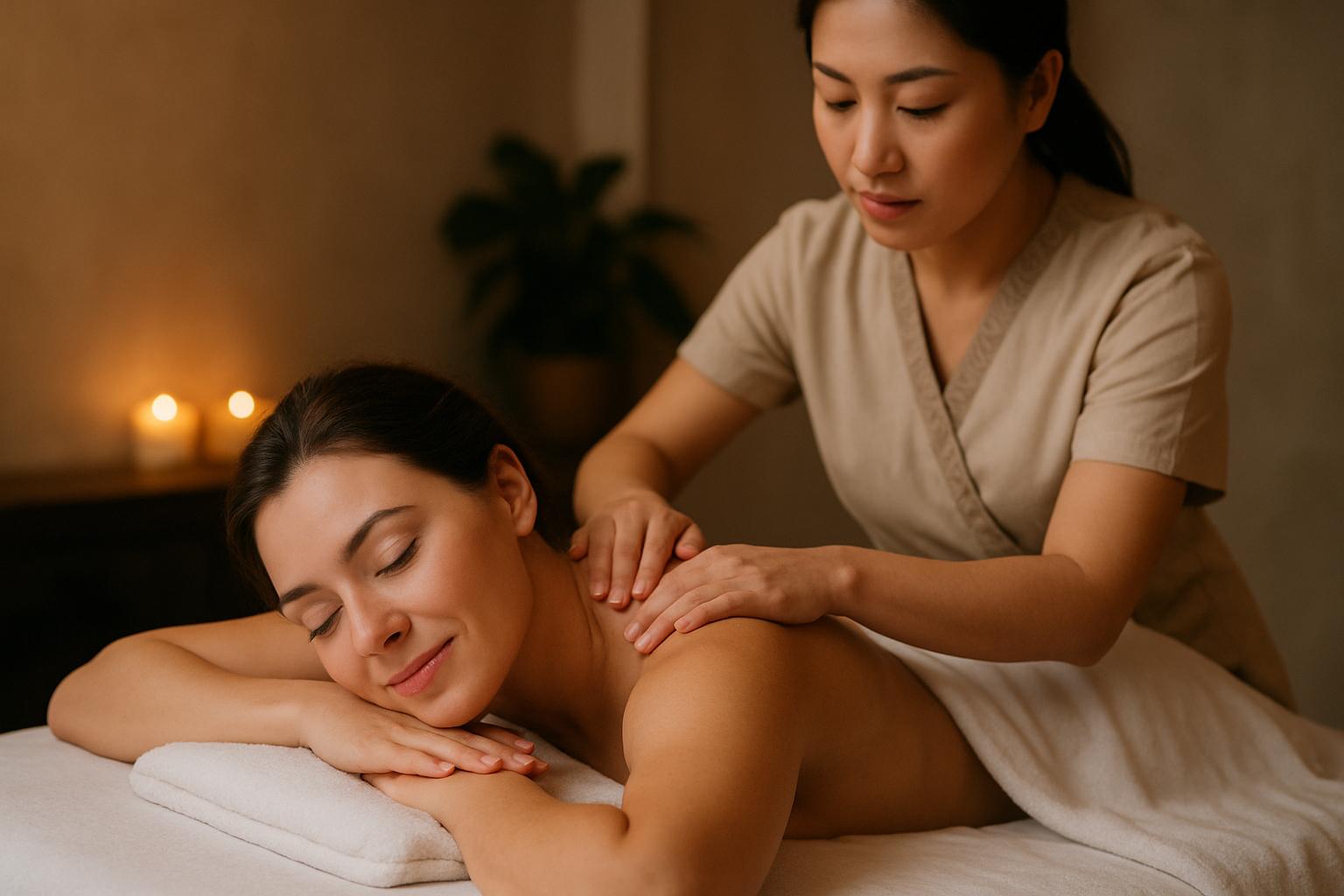
In casual speech, «happy ending» denotes an extra sexual service provided at the end of a massage. The exact meaning varies by context and by the person using it, but the phrase is widely understood to imply sexual contact beyond licensed therapeutic treatment. Because it overlaps with illegal sexual services in many jurisdictions, the term carries legal and ethical implications.
How the phrase shows up in listings, reviews, or conversations affects more than language: it affects risk. Using ambiguous wording to describe services can be a tactic businesses use to skirt scrutiny, while customers misreading euphemistic ads can find themselves in uncomfortable or unsafe situations. Understanding the common usages and red flags is the first step toward making informed choices.
The legal landscape in New York
New York state law treats prostitution, solicitation, and many forms of commercial sex work as criminal offenses; offering sexual services in exchange for money is illegal. Licensed massage therapists and spas operate under a different set of rules: they must have certified practitioners, comply with health codes, and avoid sexual contact during treatments. A business that mixes therapeutic services with sexual acts risks criminal charges and license revocation for staff and owners.
Municipal enforcement varies across boroughs. New York City has dedicated units within its agencies — such as the NYPD and the Department of Consumer and Worker Protection — that respond to complaints about illicit activity. Penalties can include fines, arrests, and closure orders; enforcement focuses both on protection of the public and on preventing human trafficking. For anyone navigating the massage scene, it’s important to assume that any exchange involving sexual services may expose both client and provider to legal consequences.
Health, safety, and consumer awareness
Beyond the legal angle, there are practical health concerns. Licensed facilities are required to follow sanitation protocols, maintain trained staff, and provide clear information about medical contraindications for massage. When those standards lapse, clients face risks of infections, improper treatment of injuries, and exploitation.
Consumers should treat hygiene, transparency, and documentation as primary indicators of a legitimate spa. Up-to-date business licenses, visible certifications for therapists, a clear service menu, and a written consent or intake form are all positive signs that an establishment is operating within professional norms.
- Check for a visible business license and therapist certifications; these should be current and verifiable.
- Confirm that the facility follows hygiene practices: fresh linens, clean treatment rooms, and handwashing protocols.
- Ask about training and scope of practice—licensed massage therapists should be able to describe their education and limits in professional terms.
- Avoid places that pressure you for cash-only payments, offer “special” add-ons off the menu, or have hidden-room setups that prevent public oversight.
How to spot legitimate spas versus illicit operations
There’s no single tell that guarantees a spa is legitimate, but a cluster of indicators often separates reputable businesses from those operating outside the law. Legitimate clinics are transparent: clear addresses, professional websites, consistent online reviews from verified customers, and open, polite staff who explain services and boundaries.
Conversely, illicit operations may use vague language in ads, inconsistent hours, multiple business names, or private appointment-only practices that shield them from scrutiny. While these signs don’t prove wrongdoing on their own, they merit caution and further verification before you book or attend a service.
- Legitimate: licensed practitioners, public health compliance, clear pricing and policies, professional communications.
- Warning signs: euphemistic advertising, private back-rooms, insistence on tip-based cash payments, lack of intake paperwork.
- When in doubt, ask direct questions about scope of practice, certifications, and whether sexual contact is part of any service—if answers are evasive, leave.
Comparing establishment types: what to expect
To make choices easier, the table below summarizes common types of massage and spa establishments you’ll encounter in New York, what they typically offer, and the relative legal and consumer-safety considerations for each.
| Type of establishment | Typical services | Licensing & regulation | Red flags |
|---|---|---|---|
| Licensed medical or therapeutic clinic | Therapeutic massage, physical therapy adjuncts, injury treatment | High—therapists hold state licenses; clinics follow health rules | Rarely offer sexual services; clear intake forms; appointments by phone or online |
| Day spa / salon | Relaxation massage, facials, pedicures, wellness treatments | Moderate—business licenses plus staff certifications | Transparent pricing; regulated environment; occasional private rooms for therapy |
| Unregulated “massage parlor” | Massage services with inconsistent professionalism | Low—staff may lack certifications; business may operate under multiple names | Euphemistic ads, anonymous locations, cash-only transactions |
| Escort or sex-oriented services | Explicit sexual services marketed discreetly | Often unlicensed for massage; illegal for paid sexual contact in many cases | Hidden fees, pressure tactics, privacy-only interactions |
Where people search and the risks of online listings
Online platforms and review sites are common places people search for massage services. While these sites can be useful, they also host misleading listings and fake reviews. Some ads use coded language that suggests sexual services without saying so explicitly. That ambiguity can lure curious visitors into risky situations or make it harder to assess a business’s legitimacy.
When you rely on online information, cross-check: look for consistent contact details, third-party verification, and professional responses to reviews. Be wary of listings that repeatedly change names or addresses — those are often attempts to avoid enforcement action. If a listing seems too good to be true, it might be worth avoiding.
What to do if something goes wrong—and community resources
If you ever find yourself in a situation that feels unsafe, prioritize your immediate exit and contact local authorities if you think a crime has occurred. New York City offers multiple reporting avenues for consumer fraud, licensing complaints, and suspected trafficking. The NYPD, Department of Health, and specialized hotlines handle different aspects of such complaints; local community organizations can also provide guidance and support.
Keep records of communications, receipts, and any identifying details you might have (names, addresses, screenshots). Those details can be crucial if you decide to report the incident. If you’re worried about the possibility of trafficking or coerced labor, contact law enforcement or one of the city’s anti-trafficking organizations—these agencies have protocols to protect individuals who come forward.
Alternatives and ethical considerations
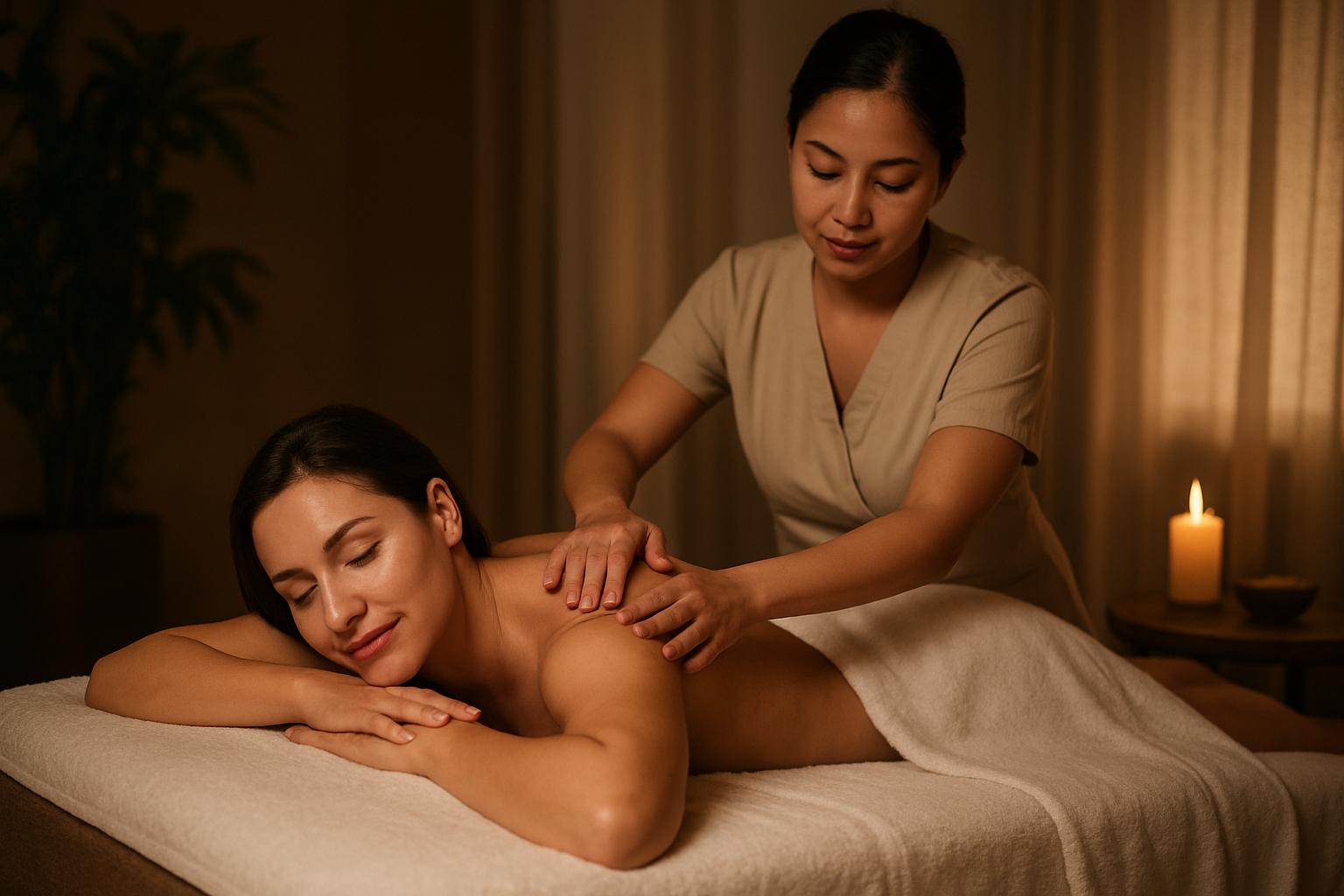
If relaxation or pain relief is your objective, plenty of legitimate options exist: licensed massage therapists, hospital-affiliated rehab centers, physiotherapy clinics, and reputable day spas. These providers prioritize safety, professional standards, and clear boundaries, which reduces risk and improves outcomes.
It’s also worth reflecting on the ethics of seeking sexual services in contexts where people may be vulnerable or exploited. Demand shapes supply; staying informed and choosing licensed, transparent providers helps reduce the market for coercive or illegal operations. When in doubt, choose services that openly explain their training, boundaries, and business practices.
Conclusion
The phrase «new york happy ending spa» carries more than a wink — it highlights a complex web of legal, safety, and ethical issues in an urban setting. If you want a safe, legal massage experience in New York, prioritize licensed practitioners, transparency, and hygiene; avoid euphemistic ads and private-only setups, and report suspicious or exploitative operations to the proper authorities. Making informed choices protects you and helps the city’s legitimate wellness community thrive.