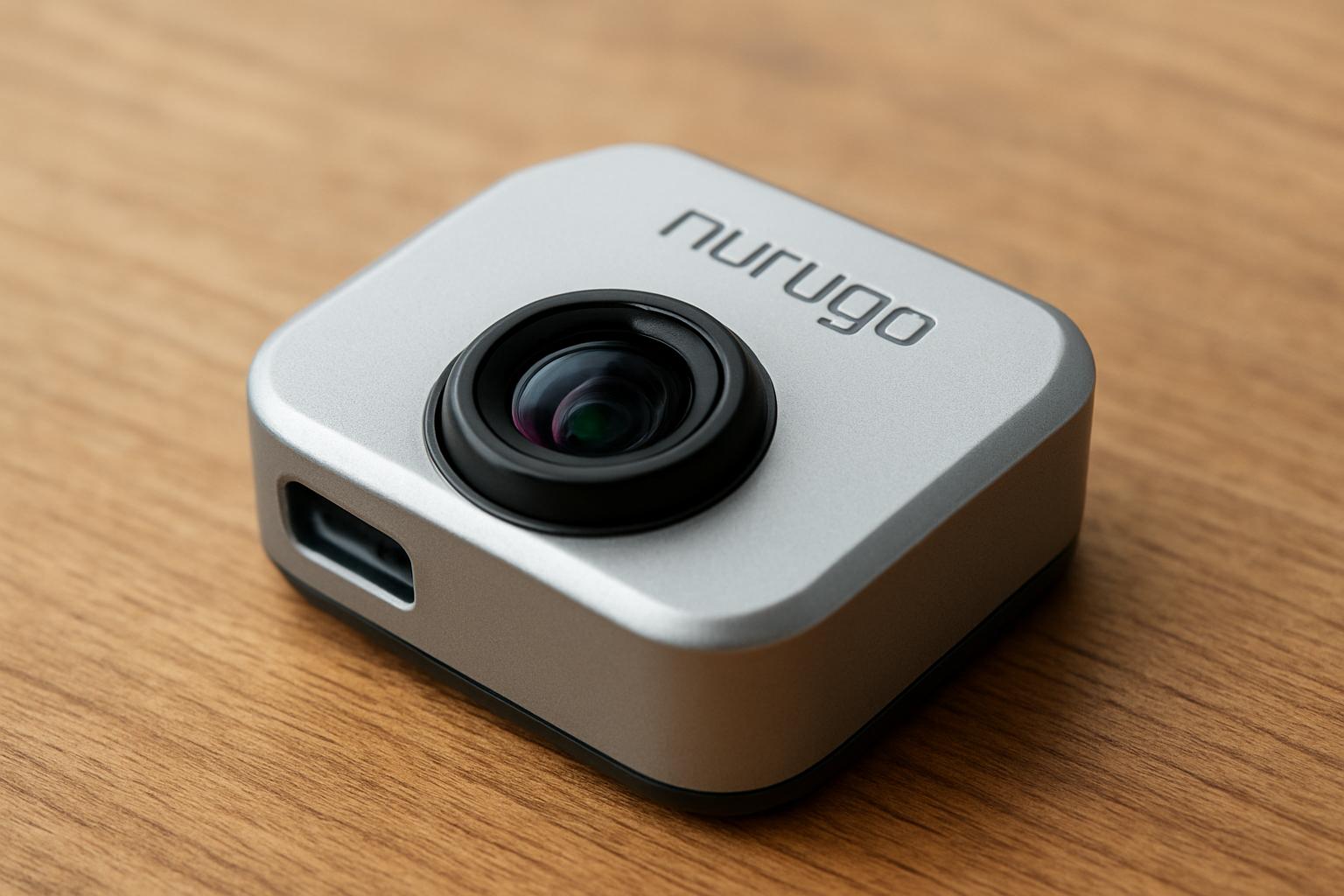

Nurugo is a small, clever idea: tiny optics that clip to a smartphone and let you peer at the world as if you’d carried a laboratory in your pocket. It’s a class of accessory that turns a familiar device into something surprising. With Nurugo-style lenses you can examine fabric weaves, inspect plant cells, scrutinize insect eyes, or capture close-up images of skin texture — all with the camera you already own.
This article walks through what Nurugo products are, how they work, when they make sense, and how to get the best results. I’ll cover common models, practical uses for students and hobbyists, buying tips, and creative project ideas. Read on if you’re curious about magnifying the everyday without buying bulky equipment.
What Nurugo Is and Who Makes It
At its core, Nurugo is a line of smartphone optical attachments and software that amplify a phone camera’s close-focusing ability. These attachments typically clip over the phone’s lens, adding a small microscope or macro lens that changes magnification and focal distance. The company behind the brand positions these tools for casual microscopy, education, dermatology hobby use, and creative photography.
The appeal of Nurugo-style devices lies in accessibility: instead of a stand-alone microscope, you get a compact add-on that works with hardware you already own. That makes it economical for classrooms, fieldwork, and curious minds who want to inspect small details without committing to bench-top gear.
How Nurugo Works: Optics, Clips, and Software
Nurugo products combine three straightforward elements: a precision lens, a mechanical clip or case adapter, and companion software or camera settings to capture and sometimes measure images. The lens changes the optical path so that the smartphone sensor can focus much closer than its native macro limit. Lighting — either built into an accessory or supplied externally — is critical for clear results.
Because phone cameras vary, Nurugo typically designs clips and mounts to be broadly compatible, but real-world results depend on your phone’s camera size, resolution, and how well it handles close focus. Some Nurugo attachments work best with phones that allow manual focus or have a robust digital zoom; others come with an app to help stabilize exposure, enhance contrast, or stitch images for clarity.
Common Models and Accessories
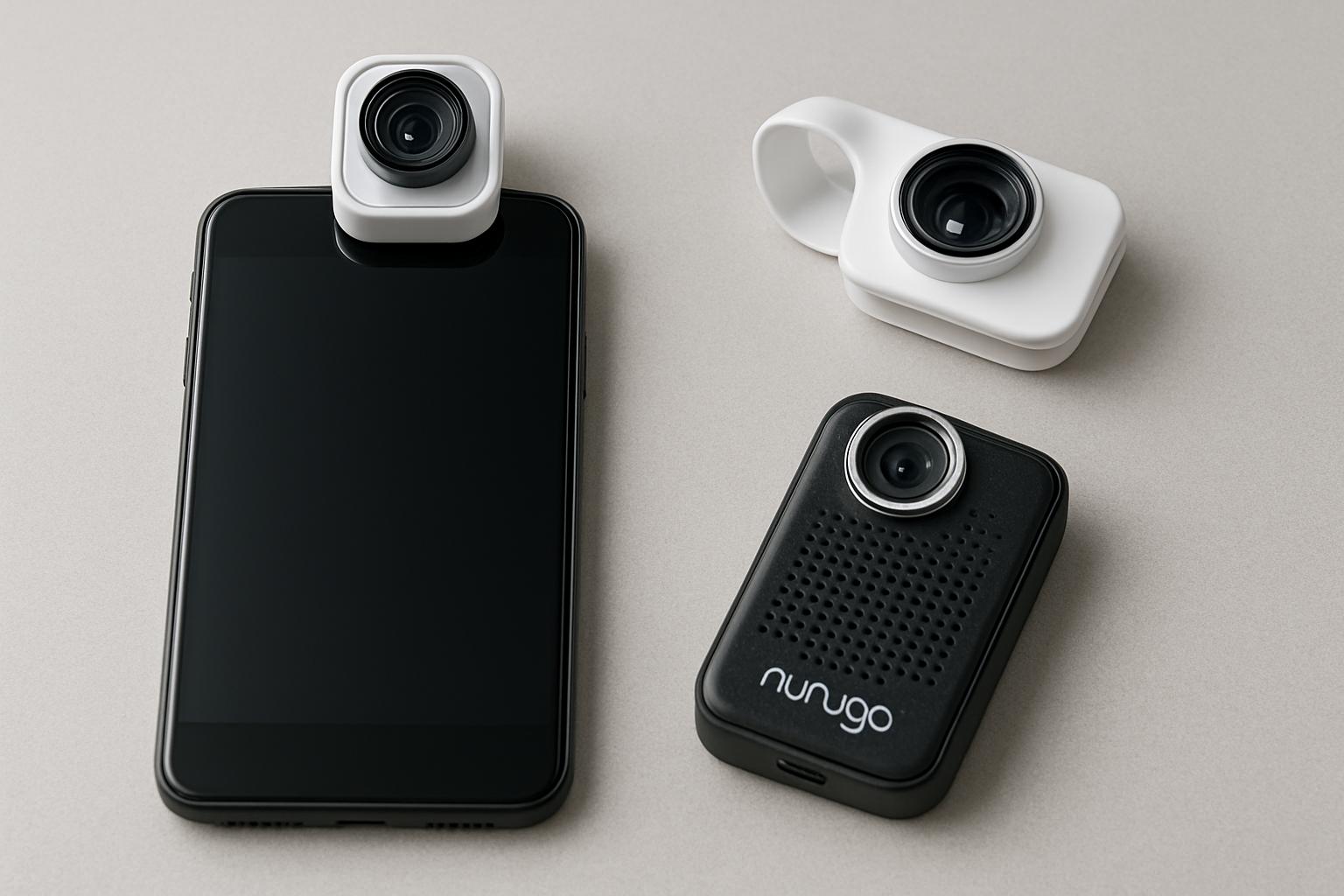
Nurugo-style offerings often come in a few categories: microscope/macro lenses for high magnification, wide-angle or fisheye attachments for broader close-up views, and skin-focused tools that pair optics with analysis software. Many packages include a small stand or clip for hands-free use and sometimes a carrying case for fieldwork.
Accessories that often accompany these lenses include LED illumination rings, magnetic adapters for easier mounting, and calibration slides for measurement. Those extras make the difference between a quick novelty shot and repeatable, scientifically useful images.
| Product Type | Typical Use | Common Accessories |
|---|---|---|
| Microscope/Macro Lens | Inspecting fibers, pollen, insect anatomy | LED ring, clip mount, manual focus app |
| Derma / Skin Lens | Skincare analysis, dermatology demonstrations | Calibration target, analysis software |
| Wide Macro / Close-Focus Lens | Close-up portraits of textures and small subjects | Magnetic adapter, protective cap |
Practical Uses: Education, Hobbyists, and Professionals
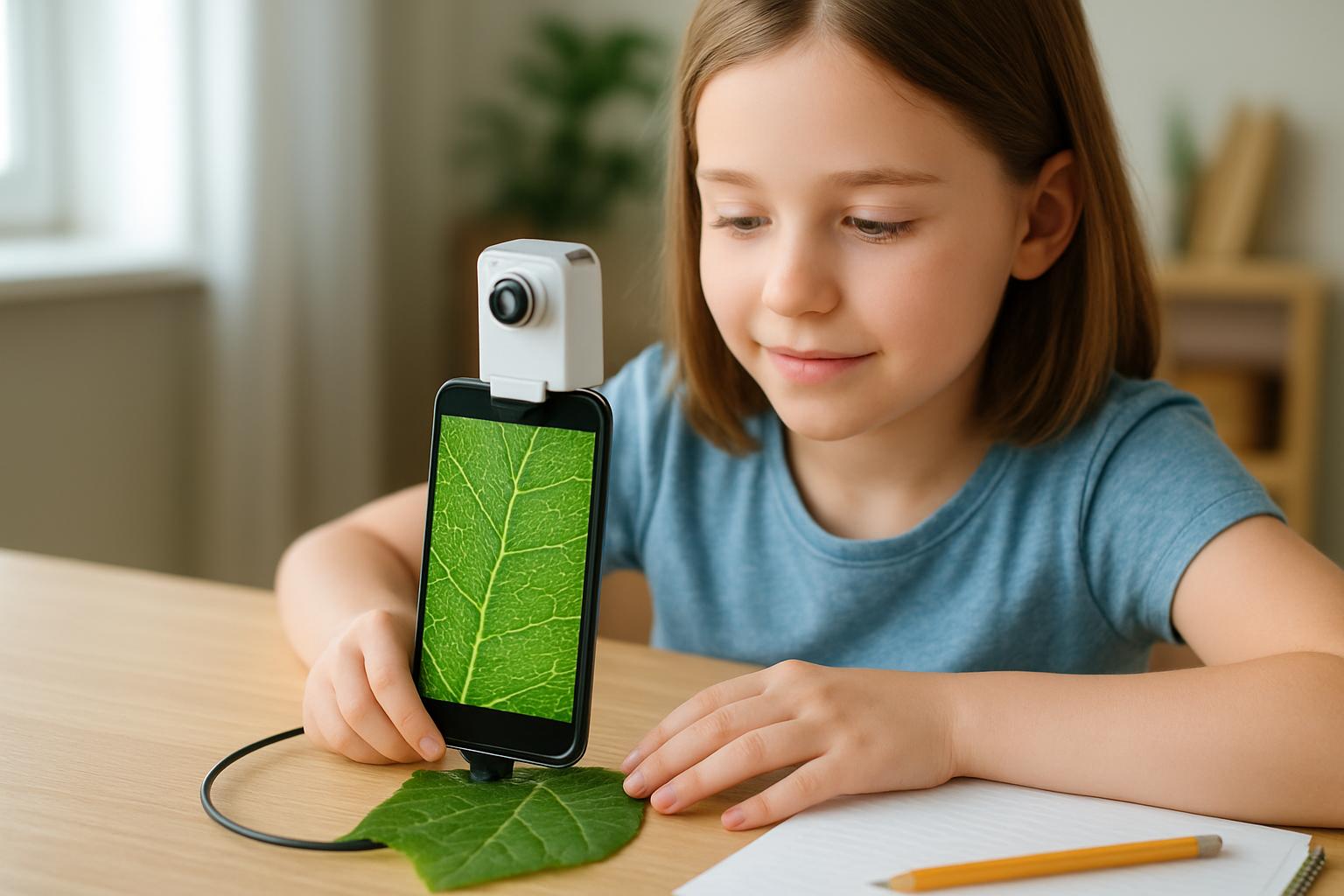
Nurugo lenses find a surprising number of practical uses. In classrooms, they make it easy to introduce microscopy without the expense and fragility of multiple compound microscopes. Students can explore pond water, plant cross-sections, and textiles with something portable and immediate.
For hobbyists, the appeal is equally strong. Gardeners can inspect pests and plant leaf structure; stamp and coin collectors can examine mint marks and micro-details; textile lovers can study thread counts and weave patterns. Even artists use these lenses as a way to paint or photograph textures that would otherwise be hard to capture.
- Education: hands-on science lessons without lab constraints
- Hobbies: coins, stamps, fabrics, insects, and fungi observation
- Skincare and dermatology: close visual analysis and documentation
- Creative work: macro photography and texture studies
Professional uses are more limited — for clinical or accredited lab work you’ll likely need a certified microscope. Still, Nurugo-style tools are useful for remote consultations, quick field checks, or visual documentation where portability matters more than absolute measurement precision.
Tips for Getting the Best Images with Nurugo
Using a Nurugo attachment well is part technique, part patience. The tiny fields of view and very short focal distances mean movement and lighting dominate image quality. Treat the setup as you would a tabletop camera: stable base, consistent light, and careful focus adjustments.
Begin by cleaning the lens and the phone’s camera cover. Small smudges can ruin contrast at high magnification. Use a steady platform — clamps, a mini tripod, or the included stand — and position your subject so the lens can approach without touching it. If you’re photographing living subjects, expect to take many frames to catch a clear, still moment.
- Stabilize the phone with a stand or tripod to avoid blur.
- Use directed lighting — LED rings or small lamps — to reduce shadows.
- Start with the phone’s lowest digital zoom, then adjust incrementally.
- Capture multiple frames and review at full resolution; crop later.
Buying Guide: What to Look For and Alternatives
If you’re shopping for a Nurugo-style lens, check three practical points: compatibility with your phone model and case, the inclusion of lighting or a mount, and what the manufacturer’s app offers. A lens that lacks decent mounting will lead to frustration, and a product with poor software support may make focusing and image capture harder than necessary.
Consider the resale and community support. Popular models have third-party guides, sample galleries, and user mods that can extend usefulness. Warranties and customer support matter too; these are small optical devices and can be lost or damaged easily.
Comparing to Alternatives
Nurugo-style smartphone optics are only one way to explore micro-scale visuals. USB digital microscopes, for example, often provide a larger field of view, built-in stands, and sometimes calibration for measurements. Traditional compound microscopes still outperform smartphone attachments for demanding lab use, especially when precise magnification, measurement, or transmitted light is needed.
Choose a smartphone attachment if portability, ease of sharing images, and the ability to use your phone’s sensor are priorities. Opt for a dedicated USB or optical microscope if you need consistent measurement, higher magnification stability, or specialized illumination techniques.
Real-World Projects and Creative Ideas
Once you have the hang of it, a Nurugo lens can be the start of small science projects or creative series. Teachers can assign “micro-biomes” where students collect samples and document them. Photographers can create a portfolio of textures—rust, skin, petals—transforming mundane surfaces into abstract art.
Citizen science projects are another natural fit. With properly documented images and timestamps, enthusiasts can contribute to biodiversity surveys or report plant disease outbreaks. The immediacy of a phone camera makes sharing and collaborative analysis straightforward.
FAQ
How different are Nurugo lenses from standard phone macro modes? Nurugo attachments change the optical path, enabling much shorter focus distances and higher effective magnification than a typical phone macro mode. Macro modes on phones are improving, but add-on optics still extend what’s possible.
Will a Nurugo-style lens work with every phone? Many models aim for broad compatibility, but differences in camera placement, multiple lens arrays, and thick phone cases can impact fit and performance. Check the product’s compatibility list and consider a magnetic adapter or case removal for best results.
Final Thoughts on Value and Use
Nurugo-style smartphone lenses occupy a useful niche between casual curiosity and scientific instrumentation. They are inexpensive relative to lab microscopes, delightfully portable, and capable of revealing a world that’s easy to miss with the naked eye. They won’t replace a dedicated lab setup, but for learning, exploration, and creative work they offer tremendous bang for the buck. If you value portability, instant sharing, and hands-on discovery, a Nurugo-style lens is worth a try.
Conclusion
Nurugo and similar smartphone microscopy tools open up microscopic observation to a wider audience by leveraging phones’ cameras, delivering engaging educational experiences, handy inspection tools for hobbies, and fresh creative opportunities — all without the space and cost commitment of traditional microscopes.