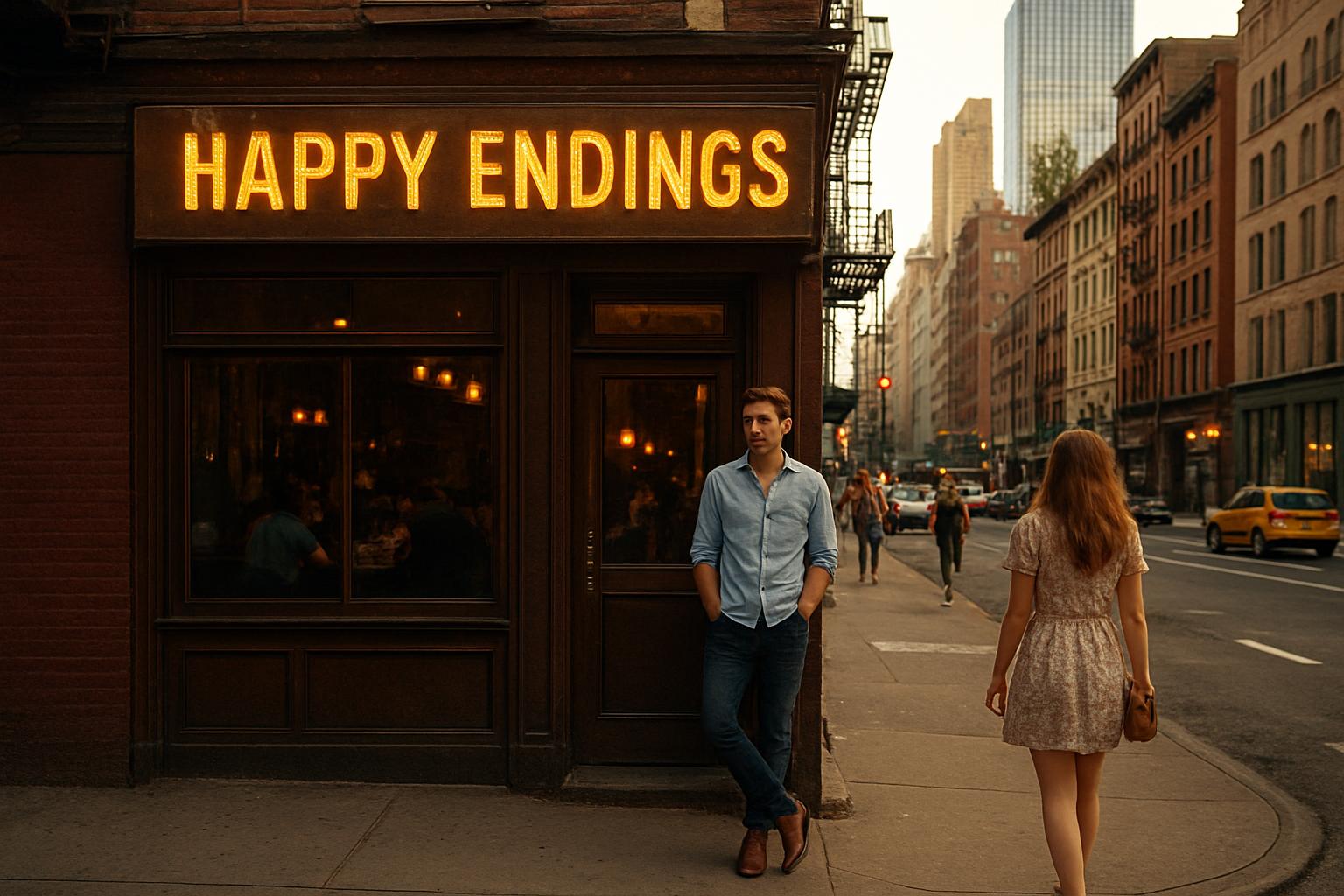

Opening the door on a loaded phrase
The words “happy ending” carry a lot of baggage in Manhattan. In casual conversation they’re a wink; in headlines they’re scandalous; in policy debates they’re shorthand for the complex intersection of sex work, public health, and municipal regulation. This article looks past the gossip to explain what the term actually refers to, why the subject matters in New York City, and how to navigate the massage landscape without stepping into illegal or unsafe territory.
There’s no flattering way to skirt the subject: the phrase is a euphemism that traces back to colloquial references to sexual services appended to therapeutic touch. But Manhattan is a dense patchwork of licensed health providers, small independent spas, erotic masseuses, and unregulated operations. Understanding the differences — legally, practically, and ethically — matters for anyone seeking legitimate care or simply trying to separate rumor from reality.
Where the phrase comes from and how it behaves
Language matters. “Happy ending” began as an informal, often comedic way to describe a sexual release provided at the conclusion of a massage. Over time it became shorthand in films, stand-up routines, and online classifieds. That cultural inheritance is why the phrase often carries a giggle or a blush, rather than a clear legal meaning.
In practice, the term is slippery. Some people use it to refer to consensual sexual services offered for money; others apply it to sexual activity that happens outside a transactional context. Because the phrase is imprecise, it’s better to focus on behaviors and legal categories when discussing health, safety, or law enforcement.
The legal and regulatory landscape in Manhattan
Manhattan is governed by New York State law and a tangle of local rules that regulate health professions and commercial businesses. Selling sexual services in exchange for money falls under criminal statutes in New York State. Simultaneously, massage therapy is a regulated health profession: practitioners typically need appropriate training and licensing from the state, and legitimate businesses must meet municipal health and zoning standards.
Regulation creates a clear dividing line: licensed massage therapists operate within a recognized medical or wellness framework; individuals or establishments offering sexual services for payment are operating outside that framework and risk criminal liability. For clients, the stakes are practical as well as legal — unregulated environments may bypass hygiene standards, lack professional oversight, and increase risk to both workers and patrons.
Finding a legitimate massage in Manhattan
If your goal is legitimate therapeutic care, Manhattan offers a large variety of reputable options: licensed clinical massage therapists, physical therapists, sports massage, and spa services that adhere to public-health and licensing requirements. A few reliable steps help separate trusted providers from sketchy operations.
Look for clear credentials, transparent pricing, and a professional setting. Licensed therapists in New York can be verified through state professional boards; reputable spas list licenses, have a fixed address, provide business hours, and operate with front-desk staff who can answer questions about techniques and qualifications. Ask about hygiene protocols, session length, and the specific modality you want — deep tissue, Swedish, prenatal — because reputable providers will welcome questions and give straightforward answers.
- Check practitioner credentials and business registrations before booking.
- Prefer facilities with visible staff, clear pricing, and written consent forms.
- Use well-known booking platforms or referrals from healthcare providers when possible.
Red flags, safety tips, and a quick comparison
A few warning signs reliably point to unregulated or exploitative operations. Cash-only businesses that advertise suggestive services, rooms without signage or front-desk staff, or providers who press you into sexual activity all indicate risk. For the safety of clients and workers alike, those are situations to avoid.
Below is a compact comparison to help you spot differences between reputable and problematic establishments.
| Feature | Reputable Spa / Licensed Therapist | Unregulated Operation / Potential Sex Trade |
|---|---|---|
| Licensing and credentials | Practitioner lists license and training; able to verify | No credentials displayed; evasive or fake documents |
| Business setup | Front desk, posted prices, appointment system | Private rooms only, inconsistent hours, cash-only |
| Communication | Clear scope of practice; consent and boundaries discussed | Suggestive language in ads; pressure for extra services |
| Hygiene and safety | Clean linens, hand-washing, disposable supplies | Poor cleanliness; no visible infection-control measures |
| Payment and pricing | Transparent fees, receipts, card payments | Negotiated fees off-the-books; heavy tipping asked |
When in doubt, trust your instincts and leave. If someone tries to coerce you into sexual activity, you’re in a potentially illegal situation. For your safety, it’s preferable to choose licensed practitioners or to seek massage services through hospitals, clinics, or respected wellness centers.
Alternatives and harm-reduction approaches
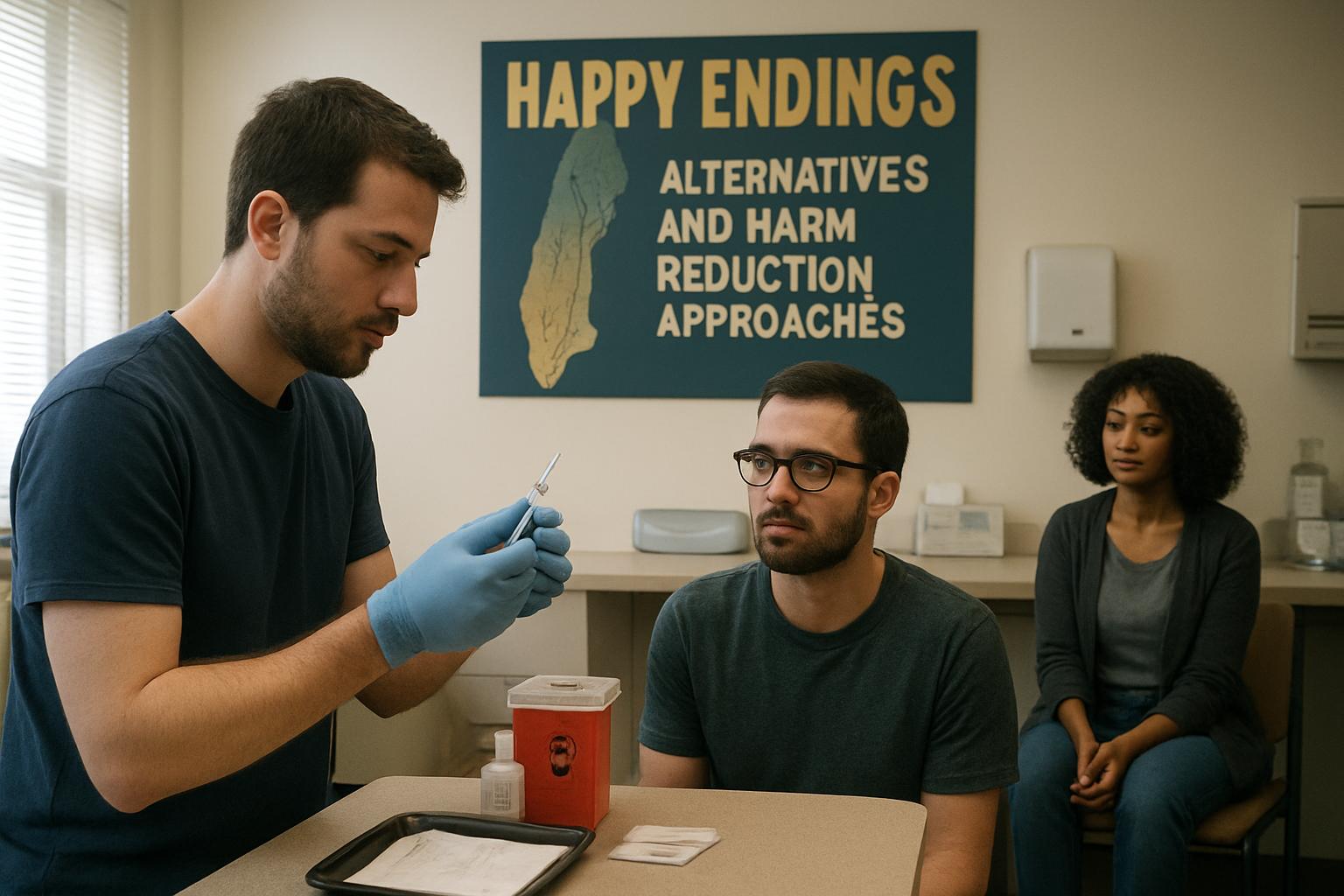
The presence of an unregulated market does not erase the demand for human intimacy, comfort, or sexual expression. Different communities pursue those needs in different ways. If you’re looking for intimacy outside of illicit exchanges, consider alternatives that prioritize consent and safety: dating, sex-positive therapy, or platforms that emphasize consensual relationships rather than paid encounters.
For workers and clients already involved in the informal market, harm reduction is realistic. That includes access to sexual-health services, nonjudgmental outreach programs, and legal support when exploitation is suspected. New York has a range of community organizations that offer testing, counseling, and advocacy for sex workers; connecting with those groups can reduce harm even if the legal frameworks are restrictive.
Cultural and ethical considerations
Conversations about “happy endings” quickly become moral debates. On one side are arguments about law, public order, and protection from exploitation; on the other are arguments for decriminalization, labor rights, and the autonomy of adults to exchange services. Manhattan, like many metropolitan centers, sits at the crossroads of those positions: a place where culture, commerce, and personal liberty collide.
A useful stance is pragmatic: focus on consent, safety, and dignity for everyone involved. That means supporting policies that protect workers from abuse and trafficking, ensuring access to healthcare, and enforcing laws against coercion and exploitation without criminalizing people who need services or safety nets.
Resources and next steps
If you need help identifying legitimate providers, start with state professional licensing boards and directories for certified massage therapists. For health concerns or sexual-health testing, New York City’s public-health clinics provide confidential services. If you or someone you know is facing coercion or trafficking, hotlines and nonprofit organizations specialize in crisis support and legal assistance.
Beyond formal services, rely on peer-reviewed information and community-based organizations rather than anonymous online ads. Word-of-mouth recommendations from trusted friends, reviews on established platforms, and referrals from medical professionals are safer pathways to legitimate care.
Conclusion
“Happy ending” is a loaded phrase, but the practical questions are simple: know the law, choose licensed practitioners, watch for red flags, and prioritize safety and consent. Manhattan offers many reputable massage services; with a bit of care you can find professional care that meets therapeutic needs without entering risky or illegal territory.