
“Body rub” can mean different things to different people. In everyday conversation it often stands in for massage, therapeutic bodywork, or hands-on manual therapy intended to relieve pain, reduce stress, or restore mobility. In New York—where an enormous variety of practitioners and venues coexist—knowing what to expect, how to verify credentials, and how to protect your comfort and safety makes the whole experience better.
This article walks through the basics: what “body rub” may encompass, how local regulations and professional standards matter, how to find reputable therapists, and practical tips for booking and attending sessions. Read on for sensible advice that will help you get the therapeutic value you’re seeking without surprises.
Understanding “Body Rub” and the Range of Bodywork
The phrase “body rub” is informal and sometimes ambiguous. In a wellness context it usually refers to massage modalities—Swedish, deep tissue, sports massage, myofascial release, and other techniques that use pressure, kneading, stretching, and movement to affect muscles and connective tissue. Some practitioners blend massage with complementary therapies like cupping, trigger-point therapy, or assisted stretching.
Because the term is broad, it’s important to clarify what you want before you book. Are you looking for relaxation, treatment for a specific injury, increased range of motion, or relief from chronic tension? Stating your goals helps match you with a practitioner whose training and focus align with your needs. If a place uses “body rub” on its website, ask for specifics: the style of bodywork, the practitioner’s qualifications, and what happens during a typical session.
Licensing, Regulations, and Legal Considerations in New York
Rules governing massage and bodywork vary widely across the United States, and New York’s landscape includes both state and municipal layers. Rather than relying on hearsay, check directly with relevant government resources or professional associations when verifying credentials. Professional bodies such as the American Massage Therapy Association (AMTA) or Associated Bodywork & Massage Professionals (ABMP) can help identify therapists who follow industry standards.
Many reputable practitioners carry insurance, display certifications from recognized schools or national exams, and maintain clear intake forms and consent procedures. If a business is vague about credentials, refuses to show certificates, or discourages questions about training and sanitation, treat that as a warning sign. Responsible practitioners will welcome informed clients and answer questions about technique, hygiene, and scope of practice.
Types of Bodywork: Quick Comparison
Different techniques suit different goals. The table below summarizes common modalities, what they focus on, typical session lengths, and an approximate price range you might encounter in New York City and surrounding areas. Prices and availability vary by neighborhood and by whether the practitioner is independent, works in a clinic, or operates through a spa.
| Modality | Main Focus | Typical Session Length | Estimated Price Range (USD) |
|---|---|---|---|
| Swedish Massage | Relaxation, circulation, general stress relief | 50–90 minutes | $60–$150 |
| Deep Tissue | Chronic tension, deeper muscle layers, focal pain | 50–90 minutes | $80–$180 |
| Sports Massage | Injury prevention, performance recovery, athlete-focused | 30–90 minutes | $70–$160 |
| Myofascial Release | Fascial restrictions, mobility, chronic pain | 45–90 minutes | $80–$170 |
| Thai or Assisted Stretching | Mobility, flexibility, joint range of motion | 60–120 minutes | $70–$200 |
| Clinical or Medical Massage | Rehabilitation, post-surgical care, work with healthcare referrals | 30–60 minutes | $70–$180 |
These ranges are approximate and should be treated as a starting point. Some clinics and independent therapists offer package deals, sliding scales, or discounted introductory rates. Always confirm pricing and cancellation policies when you book.
How to Find a Reputable Practitioner
Start with clear priorities: are you seeking therapeutic relief, relaxation, or something sport-specific? Once you know that, use reliable channels: clinic websites, professional association directories, online health platforms with verified reviews, and personal recommendations from healthcare providers. Be wary of listings that are intentionally vague about services or location details.
When you contact a therapist or spa, ask direct questions. A professional will answer confidently about training, continuing education, areas of specialization, and client intake procedures. If they won’t discuss technique, contraindications, or how they handle injuries and medical conditions, consider that a red flag.
- Ask about formal training and number of hours of supervised practice.
- Request proof of certification or membership in recognized associations.
- Check for insurance coverage and professional liability policy.
- Look for clear client intake forms that ask about medical history and current medications.
Etiquette, Safety, and Health Considerations
Clear communication before and during a session prevents misunderstandings and keeps treatment safe. Practitioners should perform a brief intake, explain the scope of the session, and obtain informed consent for techniques that involve deeper pressure or movement. You should feel comfortable voicing preferences about pressure, areas to avoid, and any discomfort that arises during the session.
Hygiene is non-negotiable: linens should be clean, equipment should be sanitized, and the practitioner should wash hands before and after the session. Discuss any open wounds, recent surgeries, or contagious conditions ahead of time—these can affect the appropriateness of massage or require modifications.
- Communicate medical history and current symptoms clearly and honestly.
- Agree on modesty options and draping before the session begins.
- Know the difference between therapeutic touch and anything sexual—therapeutic sessions should always be professional.
- Ask about COVID-19 or other infectious-disease protocols if that remains a concern for you.
Booking, Pricing, and What to Expect During a Session
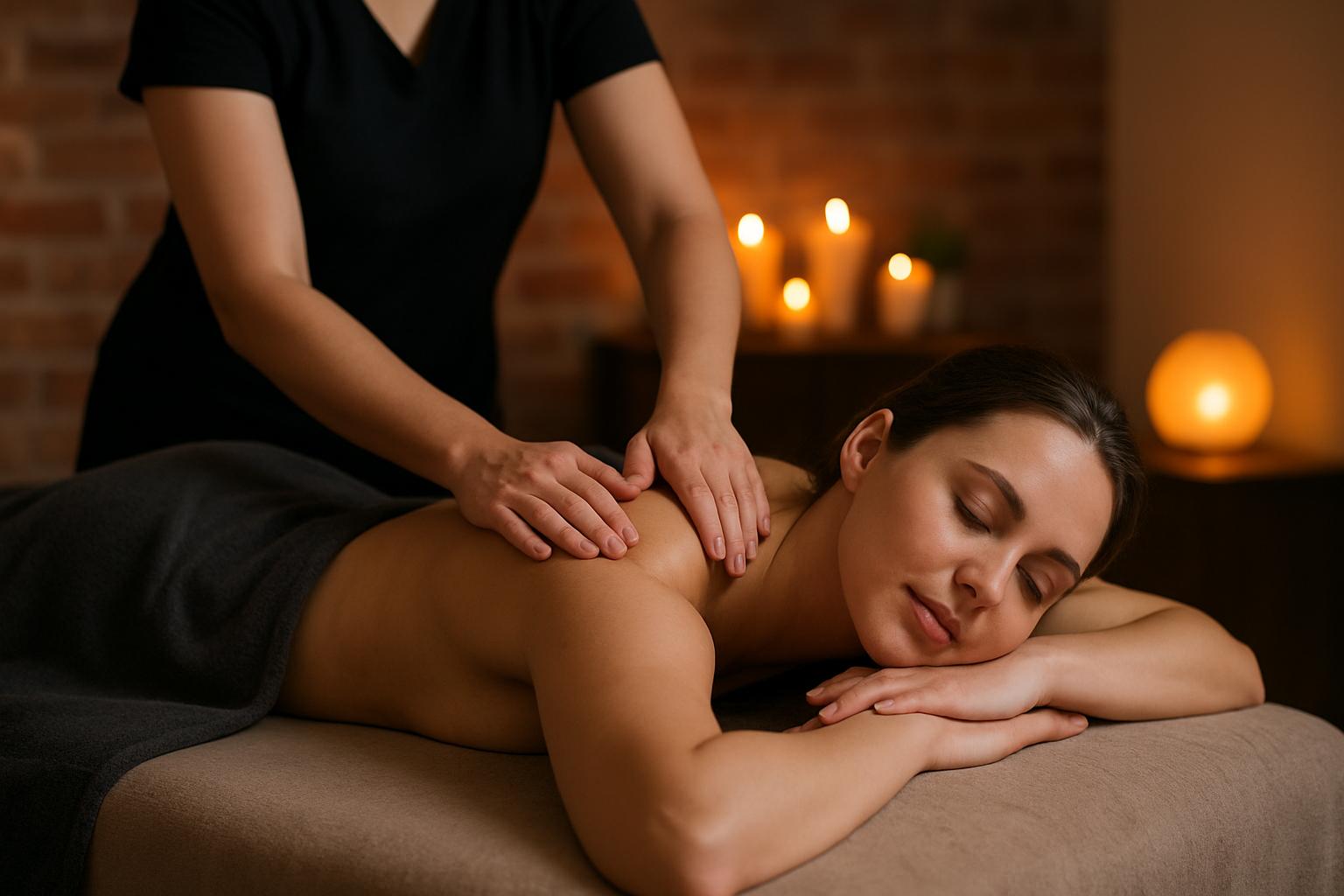
Most practitioners allow online booking or phone appointments. Confirm the total cost up front, including gratuity expectations if the venue suggests tipping. Be mindful of cancellation windows; many small practices rely on punctual clients to keep schedules running and may charge late-cancellation fees.
On arrival you’ll typically fill out or review an intake form that covers health history and current complaints. The practitioner should explain draping (how you’ll be covered), discuss pressure levels, and outline what they’ll focus on during the session. A good therapist checks in periodically during the massage to ensure pressure is appropriate and you’re comfortable.
- Arrive a few minutes early to complete paperwork and relax.
- Discuss specific problem areas and desired outcomes before the session begins.
- Plan some gentle downtime after a deeper or longer treatment—it helps flushing and recovery.
Red Flags and When to Walk Away
Professional massage and bodywork exist to heal, relieve pain, and promote well-being. Any business or individual that offers sexual services, hints at illegal activity, or refuses to provide clear information about credentials should be avoided. Trust your instincts: if something feels unprofessional or unsafe, leave and report the business to local consumer authorities or the appropriate licensing body.
Other warning signs include practitioners who pressure you into a longer session than you asked for, insist on extra “add-ons” without explanation, or skip intake paperwork and consent. Again, legitimate therapists welcome questions and set clear boundaries. Protecting your own comfort and safety is part of good self-care.
Conclusion
Finding a high-quality body rub or massage in New York is largely a matter of clarifying your goals, verifying credentials, and communicating openly with practitioners; do your research, ask pointed questions, and choose professionals who prioritize safety and clear consent—your body (and your schedule) will thank you.