
Stepping into a massage parlour can feel like entering another rhythm of life: hands moving with intent, music low enough to be felt more than heard, a scent of eucalyptus or citrus that signals relaxation. Yet beneath that immediate calm is a service industry shaped by history, health science, regulation and personal preference. Knowing what a massage parlour actually offers — and how to tell a thoughtful, professional place from one you should avoid — makes the experience safer and more rewarding.
This article walks through what massage parlours do, the common techniques you’ll find, realistic benefits and limits of massage therapy, safety and hygiene concerns, and practical tips for choosing a venue and preparing for a session. Whether you go for recovery, relaxation, or to manage chronic pain, the goal is the same: get the most benefit with the least risk.
What exactly is a massage parlour?
At its simplest, a massage parlour is a business where trained practitioners manipulate soft tissue—muscles, tendons, ligaments and fascia—using hands, forearms, elbows or tools. Services range from brief, focused sessions to full-body treatments that combine different techniques. Some parlours emphasize relaxation and spa-like experiences, while others focus on clinical or sports-oriented therapy.
Facilities vary widely. Small independent studios can feel intimate and personal; larger clinics may offer multiple therapists, specialized equipment and formal intake procedures. Regardless of size, a reputable parlour will have clear policies about hygiene, client intake, consent and the qualifications of its staff.
History and cultural context
Massage has ancient roots across many cultures, from traditional Chinese tui na and Indian ayurvedic practices to European techniques developed for military and medical uses. The modern massage parlour blends these traditions with contemporary health care standards. Over the 20th and 21st centuries, massage evolved from folk and trade practices into a recognized profession with training programs, certifications and scientific research supporting specific applications.
Cultural attitudes toward massage differ. In some regions it is integrated into mainstream health care; in others, it’s viewed primarily as a luxury or relaxation service. That diversity means local laws, licensing requirements and public expectations vary, which is why familiarizing yourself with the norms in your city matters before booking a session.
Common services and techniques
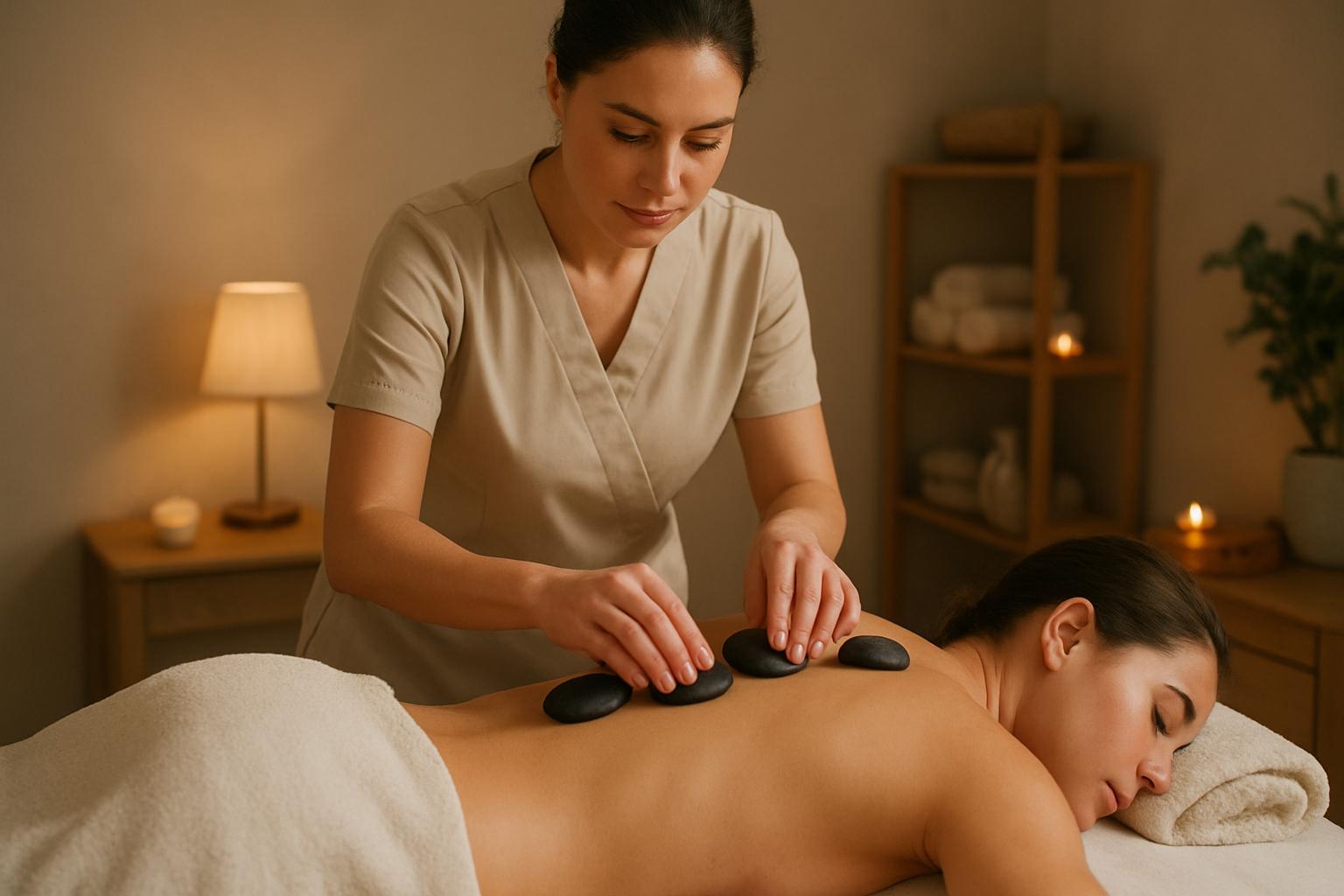
Massage parlours generally offer a menu of techniques. Technicians may be labeled as massage therapists, bodyworkers, or spa therapists depending on training and scope of practice. Below is a brief overview of the most common approaches you’ll encounter and the situations they typically serve.
| Technique | Typical Duration | Pressure | Common Benefits |
|---|---|---|---|
| Swedish massage | 30–90 minutes | Light to moderate | Relaxation, improved circulation, reduced muscle tension |
| Deep tissue massage | 30–90 minutes | Moderate to firm | Targets chronic muscle tension, can help with posture-related pain |
| Sports massage | 30–120 minutes | Variable | Prepares athletes, aids recovery, reduces injury risk |
| Thai massage | 60–120 minutes | Medium (includes assisted stretching) | Flexibility, energy balance, joint mobility |
| Trigger point therapy | 15–60 minutes | Targeted, firm | Relieves localized pain and «knots» |
Many parlours combine methods or offer add-ons such as hot stones, aromatherapy, or cupping. When booking, look for clear descriptions and ask whether therapists are trained in the specific approaches you want.
Benefits and realistic limits of massage
Massage commonly produces immediate, perceptible relaxation and a sense of decreased muscle tension. Evidence supports its usefulness for short-term relief of low-back pain, stress reduction, and some forms of chronic pain when used as part of a broader care plan. Athletes often use massage to help with recovery, circulation and flexibility.
But massage is not a cure-all. It can ease symptoms without necessarily removing the underlying cause of pain. For structural injuries, inflammatory conditions, serious neurological symptoms, or unexplained swelling, massage should complement, not replace, medical evaluation and treatment. A responsible parlour will prompt you to disclose relevant medical history and medical clearances when appropriate.
How to choose a good massage parlour
Choosing a parlour means balancing practical concerns—location, price and availability—with safety and quality. Start with visible credentials: ask whether therapists hold recognized certifications or licenses and whether the facility is registered with appropriate regulatory bodies. Look for clear policies on intake forms, informed consent and privacy.
Reading independent reviews helps, but focus on consistent themes rather than single glowing or critical comments. Consistent praise for professionalism, cleanliness and communication is a reliable sign. Conversely, repeated comments about unclear pricing, pushy sales tactics or questionable hygiene are red flags.
What to expect during a visit
Your first visit typically begins with an intake conversation. The therapist will ask about medical history, current complaints, medications, and any areas you’d like them to focus on or avoid. Communicate openly: mention surgeries, blood clots, recent fractures, pregnancy, or sensitive areas. These details determine techniques and pressure levels.
Therapists will also explain draping practices (how towels or sheets cover you), positioning, and how to signal if pressure is too strong. You will usually undress to your comfort level and lie on a table, though some therapies, like Thai massage, are performed clothed on a mat. A professional therapist will respect boundaries, pause for consent if a treatment changes, and maintain a comfortable, quiet environment.
Etiquette, tipping and two practical lists
Good etiquette helps the session go smoothly and maintains a professional boundary. That starts with punctuality and clear communication about expectations. If you’re late, your session may be shortened. If you need to cancel, give the parlour as much notice as possible to avoid a cancellation fee.
- Arrive hydrated and avoid heavy meals immediately before a session.
- Wear loose, comfortable clothing if you expect to be undressed; for some styles of massage you’ll remain clothed.
- Tell your therapist about any allergies to oils or scents.
- If you’re unsure about tipping, check local norms—10–20% is common in many places, but not universal.
- Speak up during the session if pressure is too hard or if you feel discomfort.
Many parlours have a tipping policy posted. Respectful, timely feedback—positive or corrective—helps the therapist tailor future sessions and improves overall client service.
Cost, time and value considerations
Prices vary widely by city, setting and therapist experience. Expect shorter sessions to cost less per visit but sometimes more per minute. Package deals or membership plans can reduce per-visit cost but read cancellation and expiration terms. When weighing value, consider therapist qualifications and the match between your needs and the offered techniques.
Insurance coverage is limited but growing. Some health plans cover massage when prescribed by a clinician or when provided by a licensed practitioner within a clinical setting. Verify coverage and required documentation beforehand.
Safety, hygiene and red flags
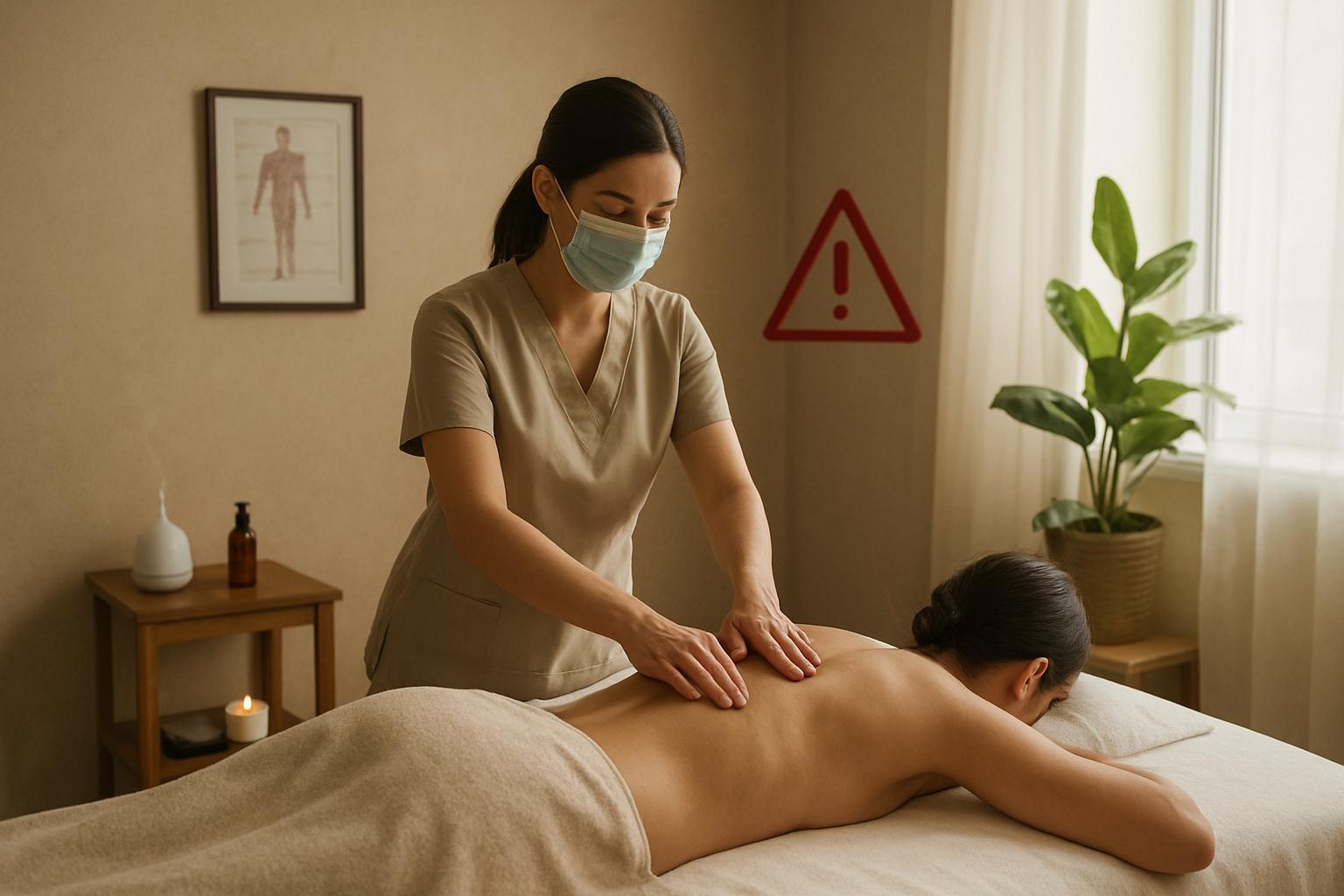
A professional parlour maintains clean linens, disinfects surfaces between clients, and ensures therapists wash hands before and after sessions. Equipment should be intact and rooms ventilated. Therapists should not pressure you into treatments you’re uncomfortable with or perform sexualized services; such behavior is a legal and ethical violation.
Immediate red flags include: unclear or evasive answers about licensing, reluctance to collect medical history, insistence on no-questions-asked cash-only payments for extra services, or any behavior that makes you feel unsafe. If something feels off, leave and report the incident to local authorities or regulatory bodies as appropriate.
Practical tips before, during and after your massage
Prepare by drinking water before and after the session to help with toxin clearance and muscle recovery. Shower if you prefer, and arrive at least 10–15 minutes early to complete intake forms and settle in. During the massage, breathe steadily and signal if you want more or less pressure. Afterward, allow a short period to stand and reorient; sudden activity can jar relaxed muscles.
If soreness occurs in the day or two after a deeper session, treat it like post-exercise muscle soreness: hydrate, use gentle stretching, and apply heat or cold as you find helpful. Persistent or worsening pain should prompt a follow-up with a healthcare professional.
Frequently asked questions
How often should I get a massage? It depends on goals: for acute relief, more frequent sessions at first may help; for maintenance, monthly or biweekly visits are common. Can I get a massage if I’m pregnant? Yes, but seek therapists trained in prenatal massage and get clearance from your healthcare provider. Is massage painful? Some techniques cause brief discomfort when addressing deep tension, but pain is not necessary. Always communicate if pressure crosses a line.
Conclusion
A well-run massage parlour is a blend of craft and care: trained hands, clear communication, and attention to safety that together produce relaxation, functional benefit and occasional therapeutic relief. By choosing a regulated, professional facility, communicating openly about your needs and limits, and following simple pre- and post-session practices, you’ll make the most of each visit while minimizing risk.