
Body rubbing—often called massage or therapeutic touch—can be a powerful tool for easing tension, improving sleep, and reconnecting with your body. For women, a body rub can address unique needs: muscular tension from caregiving, stress carried in the jaw and shoulders, or simply a craving for calm. This guide explains what a body rub can be, how to choose a provider, simple at-home techniques, and how to keep safety and consent front and center.
The term covers a broad range of techniques, from gentle stroking to firm, targeted pressure. Context matters: a medically oriented session looks very different from a relaxation-focused spa treatment. Knowing what you want and what to expect helps you find a session that feels restorative, not confusing or risky.
What a body rub can be: types and styles
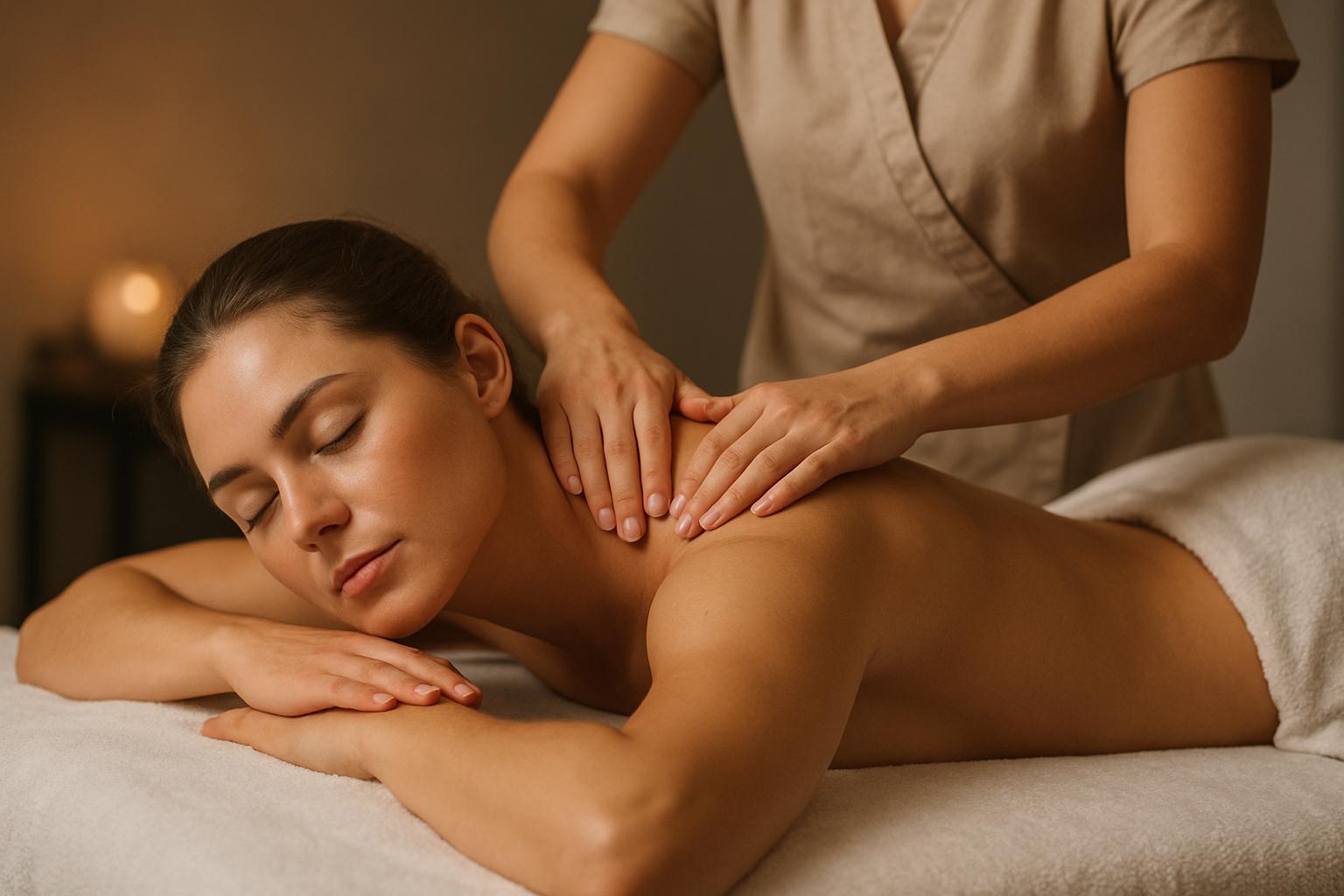
When people say “body rub,” they may mean a classic Swedish massage, a sports massage, or a restorative session that focuses on breath and nervous-system regulation. Different styles have different goals. Some prioritize long, flowing strokes to soothe; others use deep, focused pressure to loosen tight muscles.
Understanding the common styles makes it easier to pick one that fits your needs. Below is a brief outline of common approaches and when they are typically helpful.
- Swedish massage: long, gliding strokes that promote relaxation and circulation.
- Deep tissue: firmer pressure for chronic tension or tight knots in muscles.
- Aromatherapy: light massage paired with essential oils to support mood and relaxation.
- Reflexology or foot-focused work: gentle pressure on foot points said to influence other body areas.
- Pregnancy massage: adapted positions and pressure to support comfort during pregnancy.
Benefits women commonly report
Many women seek body rubs for physical relief: eased muscle soreness, reduced headaches, and fewer aches after long days. The hands-on work increases local blood flow and can help muscles relax after repetitive movements or prolonged sitting.
Beyond the physical, regular sessions often support emotional well-being. Slower breathing, a calmer heart rate, and the focused presence of a practitioner can reduce perceived stress and improve sleep. These are not magic cures, but consistent body work can be a steady complement to exercise, therapy, and rest.
- Reduced muscle tension and pain
- Improved relaxation and sleep quality
- Heightened body awareness and stress relief
- Support during pregnancy or recovery from physical strain
Choosing the right practitioner
Finding someone who respects your body and your boundaries is the single most important factor in having a positive experience. Licensing and training vary by country and region, so asking direct questions about qualifications is normal and expected.
Look for clear communication up front: does the practitioner explain what the session will involve, ask about medical history, and outline draping and privacy procedures? Those are signs of professionalism. Red flags include evasiveness about credentials, pressure to remove garments beyond normal draping practices, or requests for sexual contact.
| Provider Type | Typical Training | Best For |
|---|---|---|
| Registered Massage Therapist (RMT) | Formal training and licensing varies by jurisdiction; often 2,000+ hours | Therapeutic work for pain, injury, or chronic tension |
| Spa Therapist | Cosmetology or shorter massage courses; spa protocols | Relaxation-focused sessions, aromatherapy, skin treatments |
| Complementary practitioners (e.g., reflexologists) | Specialized certification programs | Targeted approaches for relaxation or symptom support |
Don’t hesitate to call and ask about training, hygienic practices, and cancellation policies. A reputable practitioner will welcome questions and explain how they protect client comfort and confidentiality.
Preparing for a session
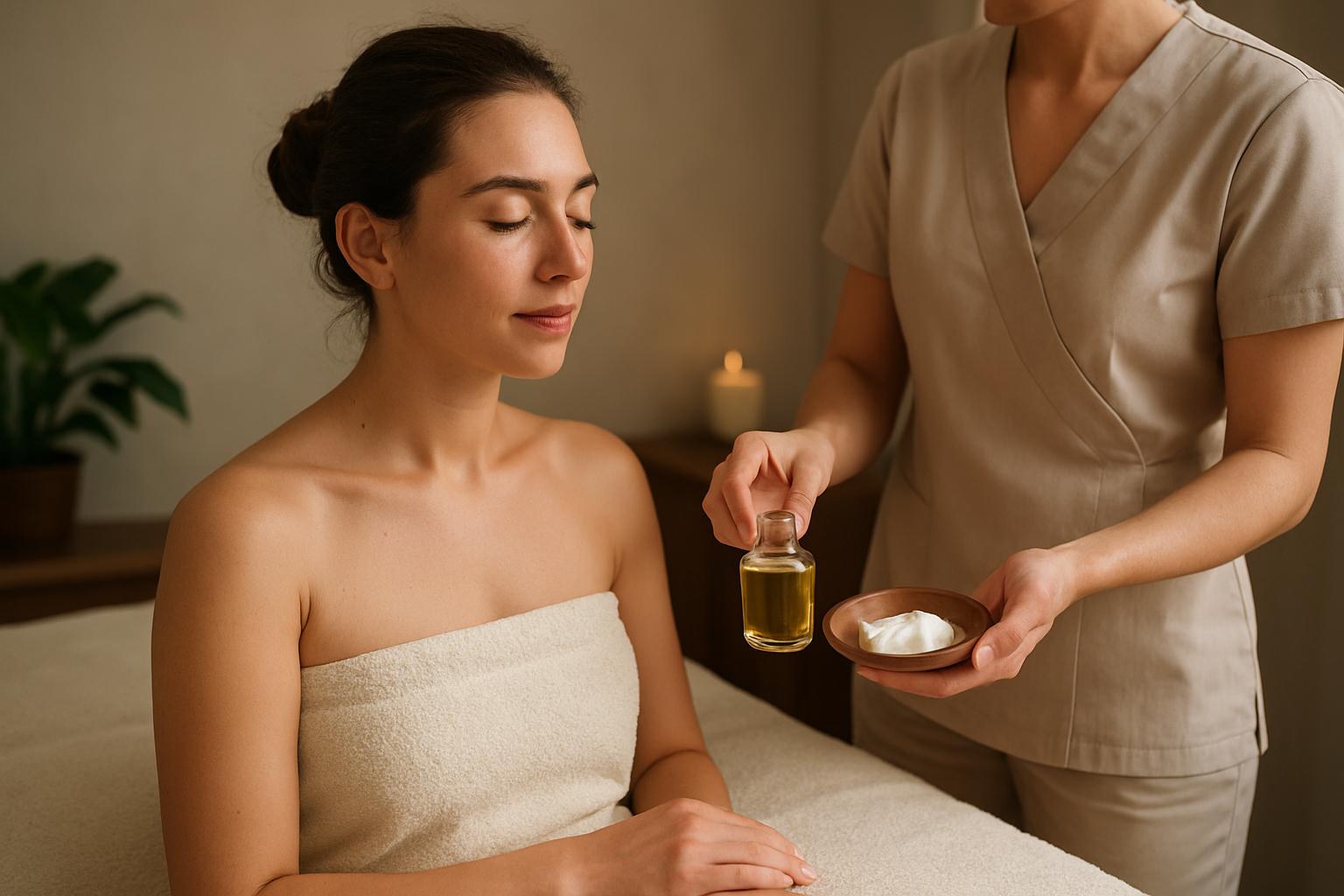
Preparation makes the actual session feel smoother. Dress comfortably to your appointment and bring any relevant paperwork or a list of medications and medical conditions. Hydration helps muscles respond to treatment, but avoid a heavy meal immediately before a session.
Before the therapist begins work, a brief consultation should cover problem areas, preferred pressure, and any health concerns such as pregnancy, recent surgery, or blood-clotting issues. Discussing these details helps the practitioner adapt techniques safely.
- Confirm the therapist’s draping policy and which areas will be worked on.
- Tell them about recent injuries, medications, or chronic conditions.
- Ask about oils or lotions if you have skin sensitivities.
- Decide ahead of time how you’ll signal if pressure is too strong.
Simple at-home body rubs and self-care techniques
If you prefer to stay home, safe and effective body rubs can be performed by yourself or a trusted partner. At-home sessions work best with clean hands, a quiet space, and a small bottle of unscented oil or lotion to reduce friction.
Start with broad, gentle strokes along the back, shoulders, and arms. Use your whole hand and keep pressure steady rather than jabbing. For self-massage, tools such as foam rollers, tennis balls, or handheld massagers can reach tight spots without straining your own fingers.
When a partner gives a rub, prioritize consent and communication: check in about pressure, comfort, and whether to stay on one area longer. Avoid intense pressure on the spine, joints, or any area that causes sharp pain; those are signs you should stop and seek professional advice.
Safety, consent, and respectful boundaries
Consent is not a one-time checkbox; it’s an ongoing conversation. A professional session should begin with clear consent about what will be touched and how. If anything changes during the session—pressure, position, or scope—both parties should pause and agree to proceed.
If you feel uncomfortable at any point, you can ask the therapist to stop or leave the room to get dressed. Trust your instincts: if a practitioner ignores your concerns or presses boundaries, end the session and consider reporting the behavior to the workplace or licensing board.
Know the local laws around massage and sexual misconduct. Many regions have clear regulations and reporting mechanisms to protect clients. If you ever feel unsafe, prioritize your immediate wellbeing and seek support from friends, family, or local services.
Cost, insurance, and accessibility
Prices vary widely depending on region, practitioner training, and facility. Therapeutic massage by a licensed professional typically costs more than a spa-based relaxation session. Some health insurance policies or workplace wellness programs may cover part of the cost when massage is prescribed for a medical condition—check your plan for details.
Accessibility is improving; many community clinics, student clinics at massage schools, and nonprofit centers offer reduced fees or sliding-scale rates. If cost is a barrier, ask practitioners about shorter sessions, package discounts, or community resources before giving up on the option entirely.
Practical tips for ongoing benefit
One session can feel wonderfully relieving, but lasting change often comes from regular, moderate sessions combined with daily self-care. Simple habits—stretching, mindful breathing, staying hydrated, and modest strengthening or mobility work—help your body retain the benefits of a rub.
Keep notes after each appointment: what pressure felt best, which areas improved, and any post-session soreness or relief. Those notes make it easier to communicate preferences and progress to future practitioners and build a care plan that suits your life and body.
Conclusion
Body rubs can be a practical, empowering form of self-care for women when approached with clear expectations, informed consent, and attention to safety; by choosing the right practitioner, preparing well, and combining professional work with at-home practices, you can make touch a reliable part of your wellness routine.