
Thai massage is a centuries-old bodywork tradition built around stretching, acupressure, and mindful movement. An escort, in its broadest sense, can be a professional who offers companionship and company in social settings. When those two worlds are mentioned in the same breath—“Thai massage escort”—it raises practical, legal, and ethical questions that deserve clear, calm attention. This article untangles the terms, explains how services differ, and offers practical guidance for anyone trying to find legitimate, safe options.
We’ll cover cultural roots, professional standards, how to distinguish therapeutic massage from companionship services, and the practical steps to protect your wellbeing and expectations. The goal is not to moralize, but to give you reality-based tools so interactions remain respectful, legal, and effective.
Understanding Thai Massage: Origins and Principles
Thai massage, often called nuad bo-rarn or Nuad Thai, originates from a blend of Ayurvedic and Southeast Asian healing practices. Traditionally, it’s performed on a mat with the recipient fully clothed, using rhythmic pressure, assisted stretches, and palm or elbow techniques. The practice treats the body as a network of lines—sen—through which energy flows, and seeks to restore mobility and balance rather than focusing on isolated muscles.
Modern adaptations include spa-based sessions that emphasize relaxation and clinics that integrate physiotherapeutic approaches. Licensed therapists typically undergo formal training, hold certifications, and practice within a framework that emphasizes informed consent, clear boundaries, and hygiene. Knowing what genuine Thai massage entails helps you recognize when a service is therapeutic and when it’s something else.
What “Escort” Commonly Means and Why Clarity Matters
The term “escort” covers a wide spectrum. For many people it simply means someone hired to accompany you—dinner, events, or travel—to provide conversation and company. In other contexts, it can also be used to describe transactional adult services. Because definitions can overlap or be deliberately vague, it’s crucial to clarify expectations before engaging a provider.
For anyone hiring an escort or a massage professional, clear, respectful communication up front prevents misunderstandings. Ask what services are offered, what is off-limits, and whether the provider holds relevant certifications or licenses. Transparent conversations protect both parties and ensure interactions remain consensual and lawful.
Where the Two Worlds Intersect—and How They Don’t
There are situations where Thai massage and escorting might be associated: a provider might advertise both companionship and bodywork, or a client might seek a form of service that blurs therapeutic and intimate boundaries. It’s important to understand the distinctions.
Therapeutic Thai massage is governed by health and safety standards and focuses on wellbeing. Escorting emphasizes social companionship and is subject to a separate set of legal restrictions and professional norms. Mixing the two without explicit agreement risks violating professional codes, local laws, and personal boundaries.
Legal and Ethical Considerations
Laws about massage therapy, sexual services, and escorting vary widely by country, state, and municipality. In many places, licensed therapists must work in registered clinics and adhere to strict rules regarding client interaction. Sexual services, where prohibited, can expose both parties to legal risk.
Ethically, reputable therapists maintain clear boundaries: draping, no sexual contact, documentation of consent, and the right for clients or therapists to refuse service. Likewise, professional escorts operate under explicit agreements about the scope of services. Ensure you understand local regulations and choose providers who operate transparently and within the law.
How to Find Reputable Providers
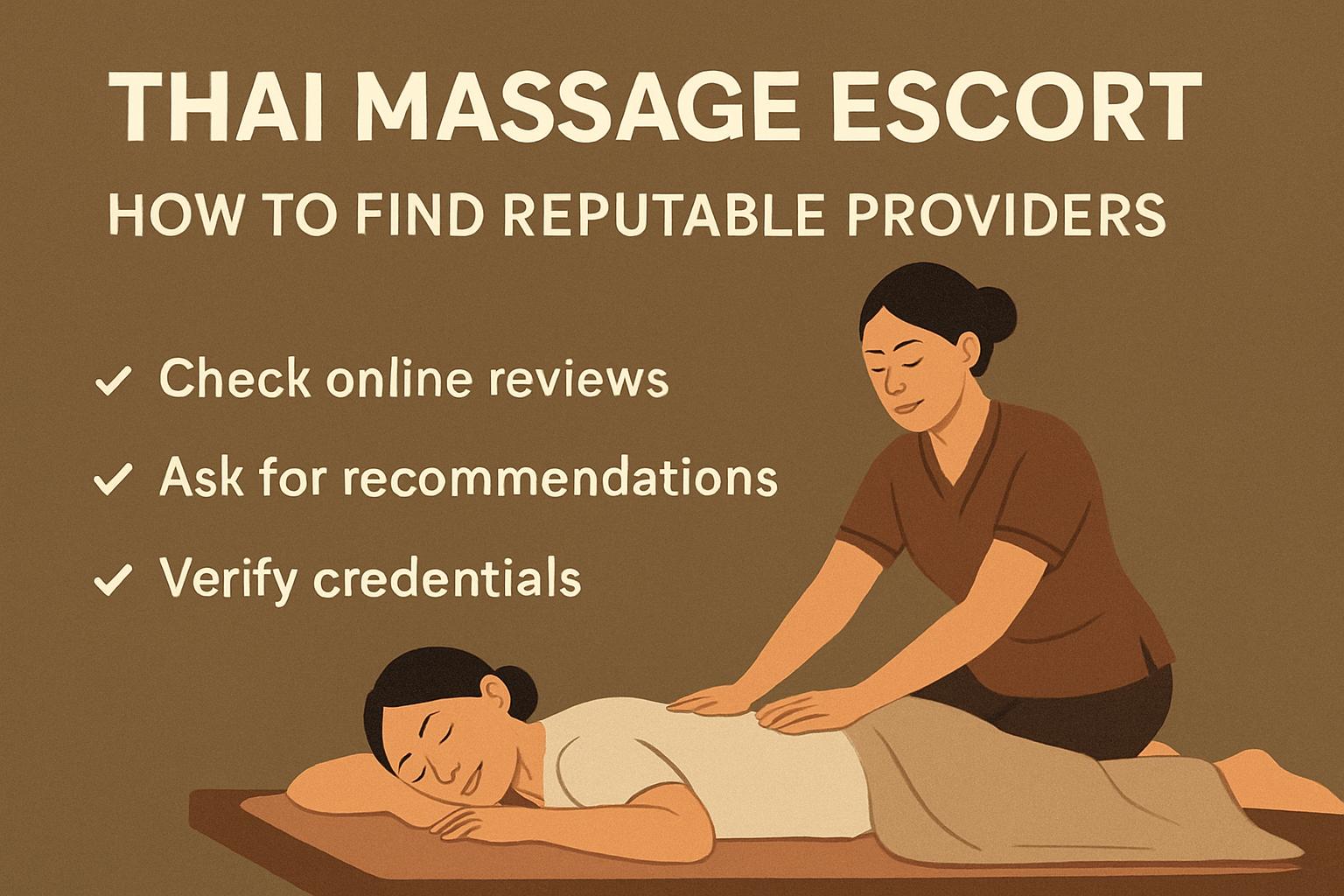
Selecting a trustworthy practitioner takes a bit of research. Start with certifications, business registration, and verified reviews. Look for clinics or agencies that list practitioner qualifications and have transparent cancellation and privacy policies. If a listing is vague, offers “extras” that seem unrelated to therapy, or avoids answering simple questions about credentials, treat that as a red flag.
Referrals from friends or healthcare providers can be reliable, but do your own due diligence. Legitimate organizations will happily provide their licensing information and explain their ethics and hygiene practices. Professionalism and openness are good signs; secrecy and pressure to book immediately are not.
Quick questions to ask before booking
- Are you licensed or certified in Thai massage or another recognized modality?
- What does a typical session include, and how long does it last?
- What draping and privacy practices do you follow?
- Are there any contraindications I should know about (medical conditions, medications)?
- What are your payment, cancellation, and refund policies?
These questions help establish expectations and show whether the provider runs a professional operation. If answers are evasive, consider choosing someone else.
Safety, Consent, and Boundaries
Safety is non-negotiable—both physical and legal. For therapeutic work, a written intake form detailing medical history is standard. For any service involving companionship or private settings, make sure you communicate boundaries clearly and obtain mutual consent for activities. Never pressure someone to bend rules, and if you feel uncomfortable, end the session and leave.
Trust your instincts. If a situation seems off—sudden changes in location, requests to avoid official receipts, or requests that put you at legal risk—step away. Professionals expect clients to ask questions; transparency is part of their service.
Pricing, Expectations, and a Simple Comparison
Fees depend on location, training level, duration, and whether the service is offered by a clinic or an independent practitioner. Therapeutic Thai massage in a licensed setting typically lists explicit prices for timed sessions. Escort services often have different pricing structures tied to time and the scope of companionship.
| Aspect | Thai Massage (Therapeutic) | Escort/Companionship |
|---|---|---|
| Primary focus | Physical therapy, mobility, relaxation | Social company, events, conversation |
| Typical setting | Clinic, spa, or professional studio | Public venues, private events, or travel |
| Licensing | Often required; regulated | Varies widely by jurisdiction |
| Boundaries | Strict professional and therapeutic guidelines | Depends on prior agreement and legalities |
| Common red flags | Unlicensed premises, lack of intake form | Secrecy about services, pressure, no paperwork |
Use the table to align your expectations before you book. If what you seek doesn’t match the provider’s services, move on. That saves time and avoids awkward or risky situations.
Practical Tips Before You Book
- Verify credentials and read recent reviews; verify photos and profiles when possible.
- Confirm the exact location and environment to ensure it feels safe and professional.
- Discuss draping, communication cues, and any health concerns ahead of time.
- Use a credit card or reputable payment method rather than cash when possible.
- Tell a friend where you’ll be and set a check-in time for added personal safety.
Preparation reduces surprises. A few smart questions and a cautious mindset go a long way toward a positive experience.
Aftercare and Follow-Up
After a Thai massage, your body may feel pleasantly sore or light and relaxed. Hydration, rest, and gentle movement support recovery. If you experience unexpected pain, bruising, or emotional discomfort, contact the practitioner and, if necessary, seek medical advice.
For companionship services, follow-up etiquette centers on honesty and respect. If you plan to continue working with a provider, communicate what worked and what didn’t. Professional relationships are sustained through clear feedback, reasonable expectations, and mutual respect.
Resources and Final Considerations
Look for local licensing boards, professional massage associations, and reputable directories when choosing a practitioner. When in doubt, opt for providers who list verifiable clinic addresses, clear refund policies, and transparent credentials. Being informed protects you and supports ethical professionals.
Remember that language and culture matter. Thai massage has deep historical roots and is best respected as a therapeutic tradition, while escort services follow a different social contract. Conflating the two without clear consent and legality can cause harm and misunderstanding.
Conclusion
If you’re seeking Thai massage, pursue licensed therapists in professional settings and prioritize health and consent; if you’re seeking companionship, clarify the scope of services and the legal context up front. Clear communication, basic research, and respect for boundaries will keep your experience safe and constructive—whichever service you choose.