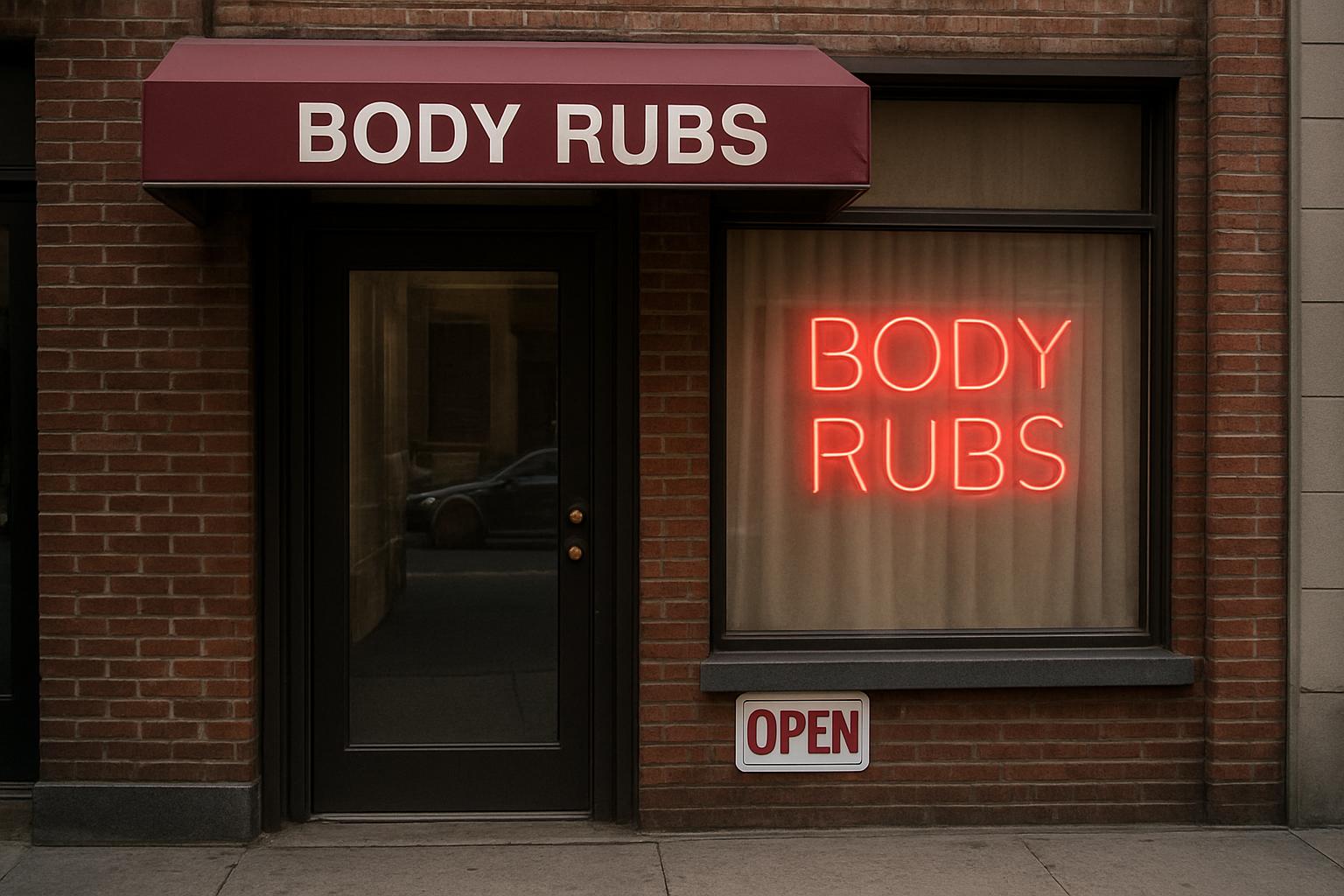

Understanding the Term «Body Rubs» in Manhattan
The phrase «body rubs» can mean different things to different people. In Manhattan it is often used as a catch-all term that ranges from legitimate therapeutic massage to less clearly defined personal services. Because the term itself carries ambiguity, understanding the context—where a service is offered, how it is described, and who provides it—matters more than the label.
When you hear «body rubs» advertised, read beyond the headline. Professional clinics and licensed therapists use specific treatment names (Swedish, deep-tissue, sports therapy, myofascial release). Other businesses may use vaguer language. Learning the common distinctions helps you find a professional experience and avoid situations that put your comfort or safety at risk.
Types of Legitimate Massage Services You’ll Find
Legitimate massage providers in Manhattan typically offer a spectrum of evidence-based treatments designed to relieve pain, reduce stress, and improve mobility. These services are performed by people who have completed training programs and, where applicable, carry credentials or membership in professional associations.
Knowing the basic kinds of massage can help you match a therapist to your needs. The session length, clinical focus, and pace can vary widely, so a brief phone call or an online description usually clarifies whether a service fits your goals.
- Swedish massage: relaxing strokes and effleurage to encourage circulation and relaxation.
- Deep tissue: focused pressure intended to address chronic muscle tension and adhesions.
- Sports massage: techniques tailored to athletes, often pre- or post-event, for performance and recovery.
- Medical or therapeutic massage: incorporated into broader treatment plans for injury, often coordinated with physical therapy or a physician’s care.
- Chair or corporate massage: short sessions targeted at the neck, shoulders, and back, commonly offered in workplaces or events.
Regulations, Licensing, and Legal Considerations
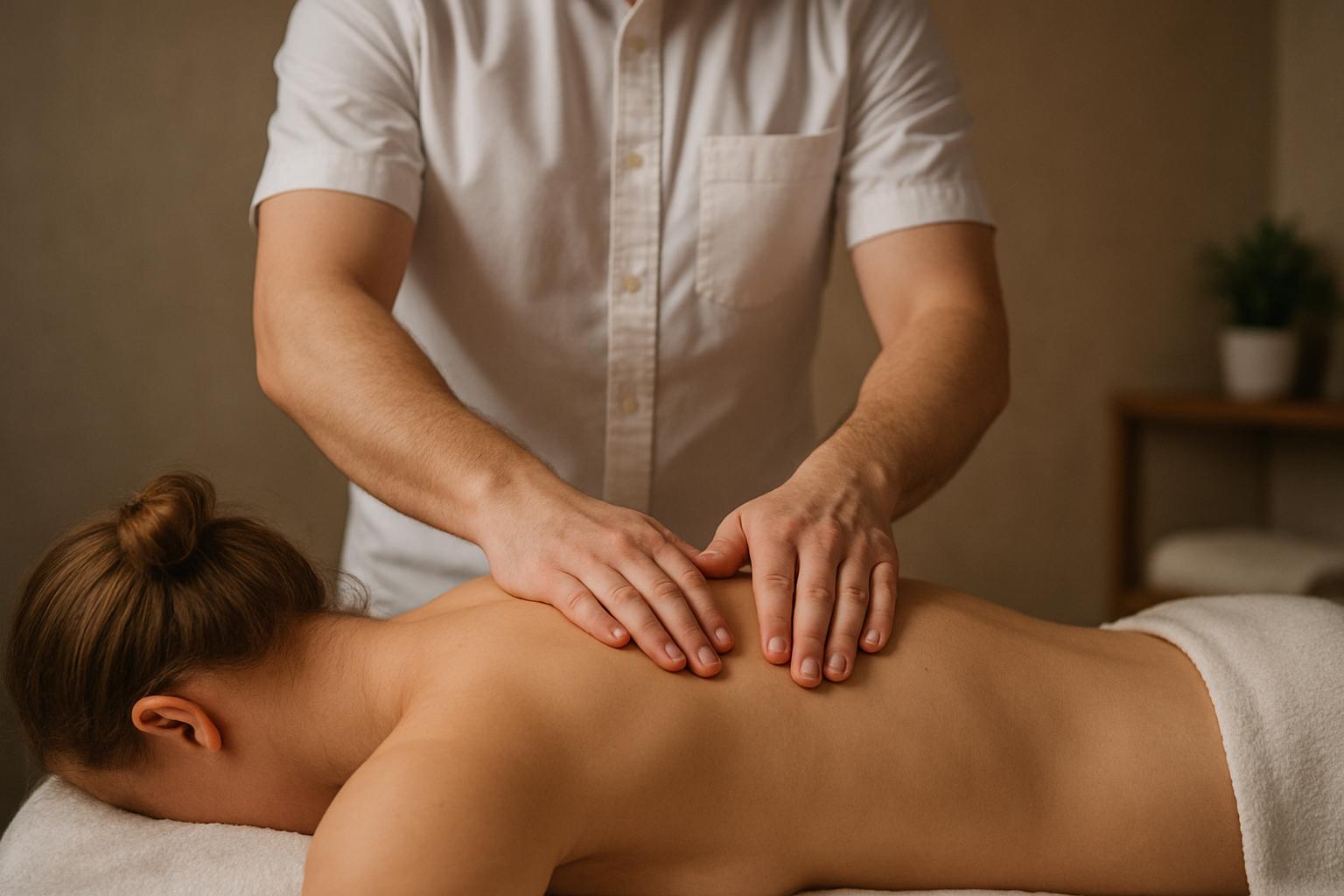
Regulatory frameworks for massage and bodywork vary by jurisdiction. In some places practitioners must hold state licenses; in others they may be certified through national boards or professional associations. Manhattan—being part of New York City—has its own local rules and oversight agencies that intersect with state law.
Before booking, verify what credentials and business registrations the provider claims. Ask where you can confirm licensure or certification, whether the business is registered with city agencies, and if the therapist carries liability insurance. Conferring with official sources offers the most reliable information.
| What to Check | Why It Matters | Where to Verify |
|---|---|---|
| State licensure or local permits | Indicates formal oversight and minimum training standards | State licensing board or NYC consumer protection website |
| Professional certifications (AMTA, ABMP, NCBTMB) | Shows engagement with continuing education and ethical guidelines | Association directories or practitioner profiles |
| Business registration and insurance | Protects consumers and signals legitimate operations | City business registries and provider-supplied documentation |
| Clear service descriptions | Helps set expectations and distinguish therapeutic services from anything else | Provider websites, booking platforms, or direct inquiry |
How to Choose a Reputable Provider
Selecting a trustworthy massage provider in Manhattan is a mix of research and intuition. Start by reading recent reviews, browse the clinic’s website for staff bios, and note whether therapists list training, specialties, and professional affiliations. Clear communication and transparent pricing are good signs.
When you call or message, ask practical questions: what training the therapist has, whether they have public liability insurance, what the cancellation policy is, and what you should expect during the session. A reputable business will answer directly and respect boundaries.
- Check credentials and read multiple reviews from different platforms.
- Confirm whether the therapist conducts an intake assessment and documents health history.
- Visit the premises if possible—clean, well-lit spaces that look professionally run tend to be reliable.
- Trust your instincts: if something feels off in communication or setup, walk away.
Safety, Consent, and Red Flags
Your personal safety and comfort should be central to any decision. Professional therapists follow standards of consent: they explain what parts of the body will be worked on, how draping is used, and how to communicate discomfort. You have the right to decline any technique or area of focus at any time.
Certain practices and signs point to questionable operations rather than therapeutic intent. If a business pressures you for cash-only payment, resists providing a business address, offers unusually low prices for extended sessions, or hints at sexual services, these are clear red flags. Seek services that prioritize clear policies and professional boundaries.
- Red flag: pressure to remove more clothing than necessary or requests for sexual activity.
- Red flag: no intake form, no documented health history, or refusal to discuss contraindications.
- Red flag: evasive answers about practitioner qualifications or business location.
- Positive sign: explicit consent process, clear draping practices, and professional conduct.
Cost, Etiquette, and Typical Protocols
Prices in Manhattan reflect location, the therapist’s experience, and the type of treatment. Expect higher rates than smaller cities, but remember that extreme low prices can be as telling as unusually high ones. Most clinics post rates online and outline session lengths and cancellation policies.
Etiquette is straightforward: arrive a few minutes early, fill out the intake forms honestly, and discuss any health issues (pregnancy, recent surgeries, or blood-thinning medications) before the session starts. Tipping is common in New York City; typical ranges are similar to other personal services, but follow the practice that feels appropriate to you and the service provided.
Alternatives and Complementary Therapies
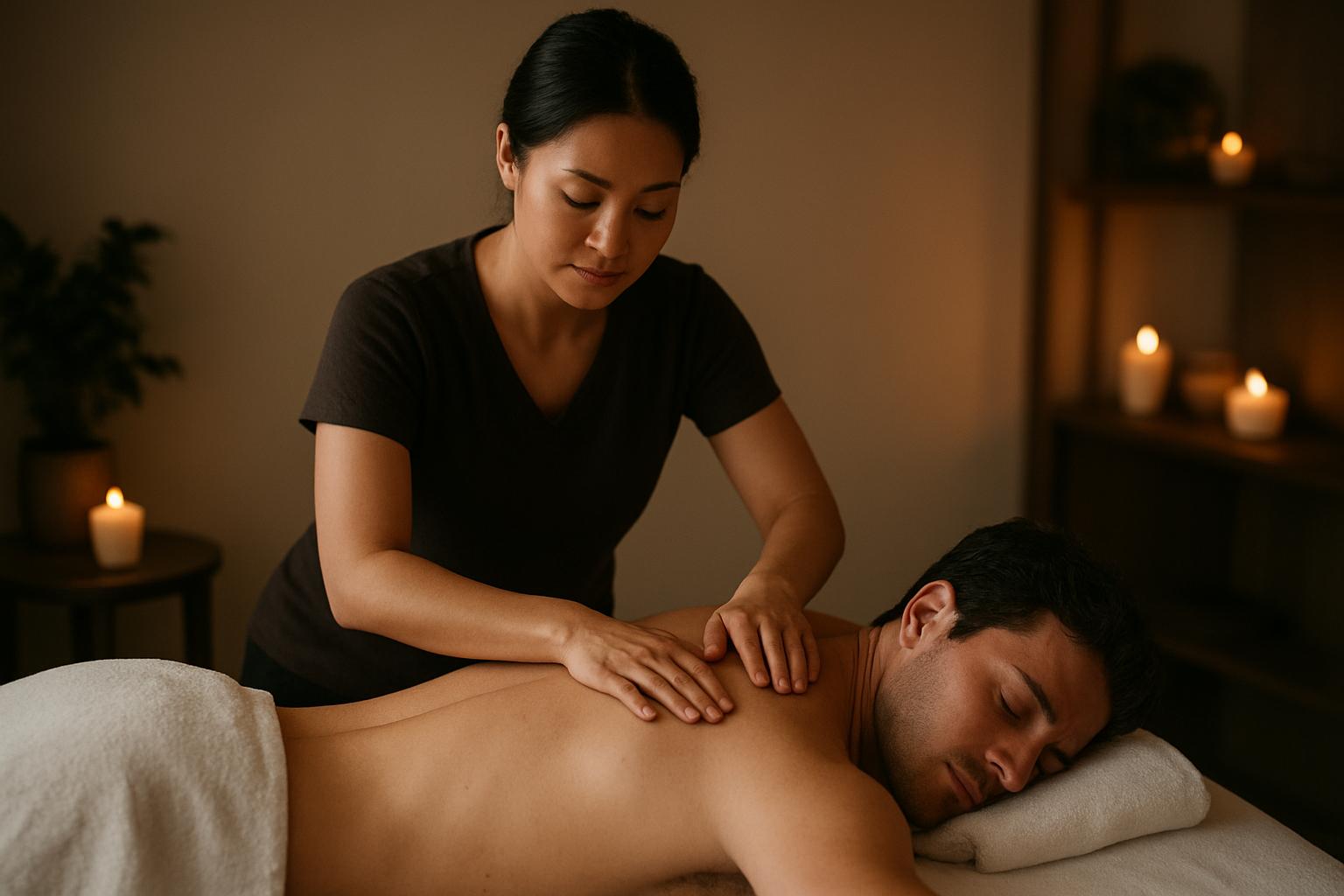
If you’re seeking symptom relief but prefer not to pursue a traditional massage, Manhattan offers many complementary options. Physical therapy, acupuncture, osteopathic manual therapy, and supervised exercise programs can address pain and mobility issues with a different clinical focus. Each discipline has its own standards and scope of practice.
Consider talking with a primary care provider about which option best suits a specific condition. For chronic pain, a team approach—combining manual therapy, targeted exercise, and lifestyle adjustments—often yields better long-term results than a single modality.
Resources and Where to Learn More
Reliable information helps you make informed choices. Professional associations like the American Massage Therapy Association (AMTA) and the Associated Bodywork & Massage Professionals (ABMP) maintain practitioner directories and educational resources. Local government websites and consumer protection agencies provide guidance on business registration and complaints. Finally, independent review platforms and patient forums can offer firsthand perspectives but treat them as one input among many.
When in doubt, ask direct, specific questions and document anything that makes you uncomfortable. Keeping records of receipts, correspondence, and business information makes it easier to resolve disputes or file a complaint if needed.
Conclusion
Finding a safe, effective massage experience in Manhattan comes down to research, clear communication, and attention to professional standards: look for verified credentials, transparent business practices, and therapists who prioritize consent and client comfort; avoid vague advertising or pressure to participate in services that cross your boundaries, and when you do your homework you’re far more likely to walk out feeling better and respected.