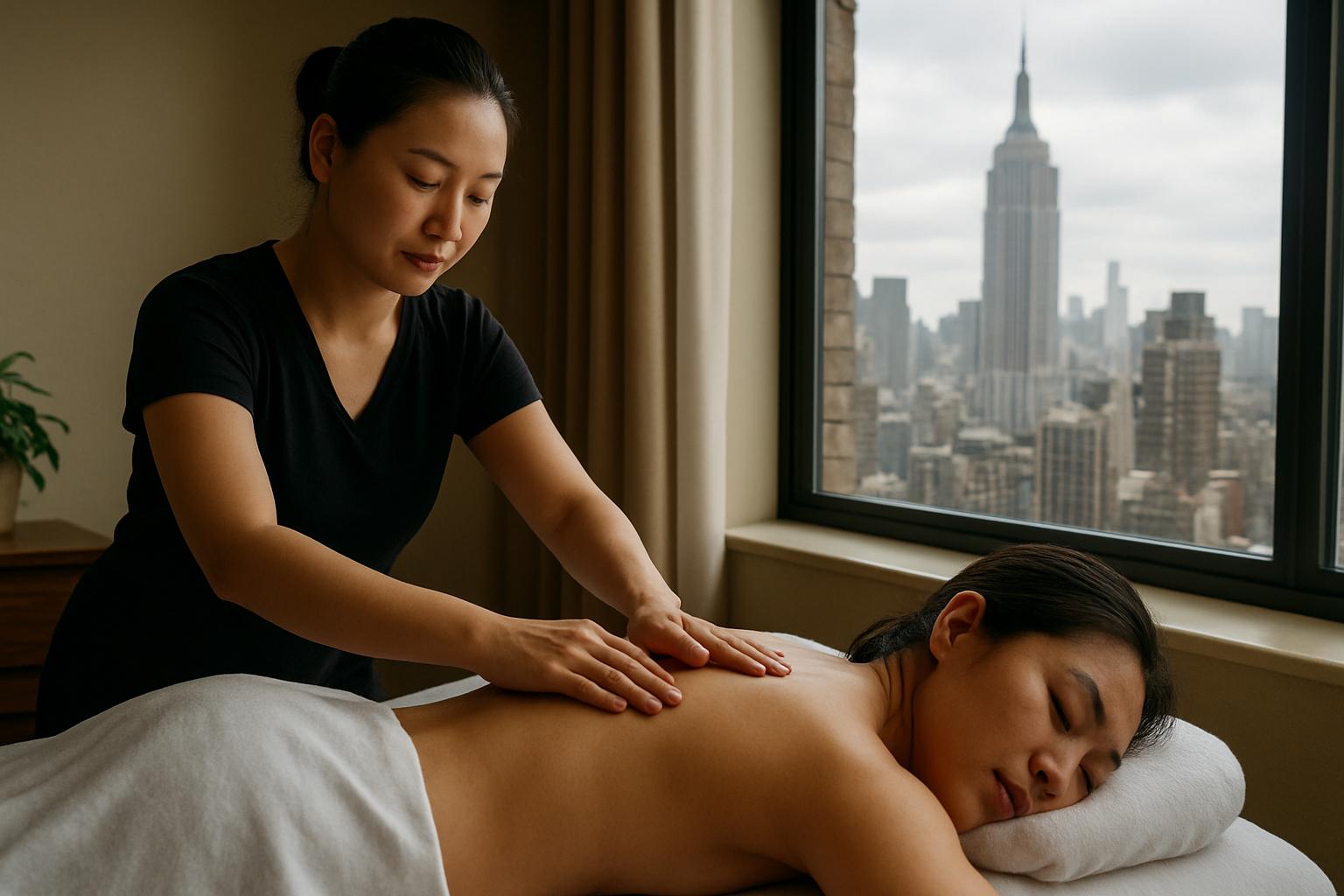

The phrase «Asian body rub» carries different meanings depending on who you ask. In New York City it can describe a range of businesses—from legitimate therapeutic massage studios that happen to be Asian-owned, to smaller shops using euphemistic language to hint at services outside the boundaries of professional massage. Sorting the useful from the suspect takes a little context, a bit of curiosity, and some simple checks you can do before you walk through any door.
This article walks through what the term often implies in NYC, the legal and safety landscape, how to spot reputable operations, and practical etiquette for receiving a professional treatment. My aim is to give clear, usable guidance so you can find a respectful, licensed practitioner or recognize when a place is not what it claims to be.
What people mean by «Asian body rub» in New York City
Language matters. For many clients, «Asian body rub» is shorthand for a style of massage influenced by traditions from East or Southeast Asia—think acupressure, deep-tissue techniques, or foot reflexology performed with care and skill. For proprietors, it’s sometimes used as a marketing phrase to signal those traditions or to attract a specific clientele.
At the same time, the term has also been adopted by some establishments that operate in a legal gray area or openly offer sexual services, and that usage complicates how the phrase is perceived. Knowing this history helps you interpret listings, reviews, and signage more cautiously: not every business using that language offers the same standards of training, licensing, or professionalism.
Legal and regulatory landscape in NYC
New York regulates massage and similar services through a mix of state and local rules that cover business permits, sanitary standards, and, in many cases, practitioner credentials. Legitimate massage establishments typically display permits, provide clear service descriptions, and follow visible hygiene practices. If these elements are missing, that should raise questions.
Enforcement in the city also targets illegal activity tied to sexual services and human trafficking. Police and regulatory agencies investigate businesses when they receive complaints or see patterns of suspect behavior. That means choosing a place that operates transparently is not only about customer comfort—it’s about supporting lawful, safe workplaces.
How to find reputable Asian-style massage services in NYC
Start by treating the search like you would for any other health or wellness service: look for credentials, clear service menus, and legitimate business listings. A professional studio will usually have an easily navigable website, accurate address details, and consistent contact information across platforms.
Online reviews are useful but imperfect—some venues attract fake praise, while others are unfairly maligned. Balance customer feedback with other signals: transparent pricing, the option to book appointments, and willingness to answer questions about technique and licensing over the phone.
- Check for posted licenses, certifications, or association memberships on-site and ask about practitioner training when you call.
- Prefer businesses with an appointment system, a physical address in reputable neighborhoods, and clear cancellation or refund policies.
- Ask questions before booking: what type of massage is offered, whether therapists are licensed or certified, how long sessions last, and what the policy is on draping and privacy.
Table: Types of establishments you might encounter
The table below summarizes common venue types, what to expect from each, and what to verify before visiting. Use it as a quick reference when evaluating options.
| Type of Establishment | Typical Services | What to Check | Common Price Range (ballpark) |
|---|---|---|---|
| Licensed day spa or medical spa | Therapeutic massage, deep tissue, cupping, licensed therapists | Practitioner credentials, posted permits, clinical environment | Moderate to high |
| Independent Asian-owned massage studio | Traditional techniques (Thai, shiatsu, reflexology) | Clear service menu, trainer certification, appointment option | Low to moderate |
| Small walk-in parlors using euphemistic terms | Varies; may include non-standard services | Vague service descriptions, lack of posted credentials | Low |
Red flags to watch for before you book
Sometimes what a listing omits tells you more than what it contains. Be wary if a business avoids specific descriptions, refuses to provide practitioner details, or asks customers to pay cash only. Those behaviors can indicate attempts to evade regulation or scrutiny.
Other warning signs include extravagant online claims with no real contact information, extremely low prices paired with promises of extras, and pressure to skip standard protocols like draping. If something feels off in a message exchange or over the phone, trust that instinct and look elsewhere.
- Vague menus with euphemistic language and no clear list of techniques.
- Pressure for cash-only transactions or last-minute add-on «services.»
- Lack of posted business or health permits, or staff unwilling to discuss credentials.
Etiquette and what to expect during a professional session
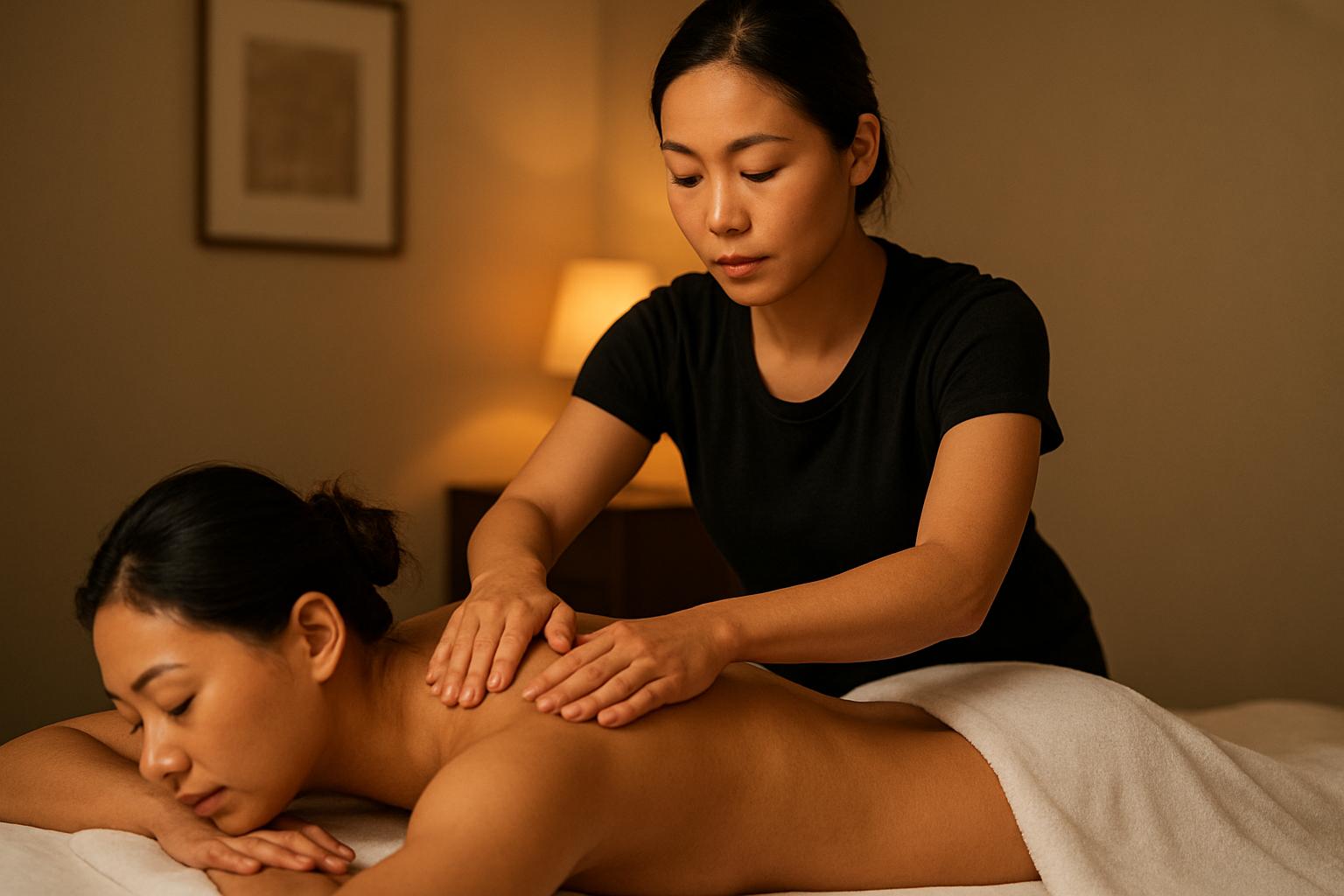
Professional massage is a straightforward service: you discuss your needs, the therapist explains the approach, and you decide on pressure and areas to be worked on. Draping—covering the parts of the body not being massaged—is standard practice for comfort and privacy. If a therapist suggests anything outside the customary scope of practice, you should decline and consider leaving.
Communication is part of the treatment. A good therapist will ask about injuries, allergies, and pressure preferences. You are entitled to pause the session or stop it entirely if you feel uncomfortable at any point. Respectful dialogue before and during the appointment will usually lead to a better outcome.
Health, safety, and human-trafficking awareness
There are important health and safety considerations to bear in mind. Confirm that linens and equipment appear clean, that common areas look well kept, and that hand hygiene is practiced. If a facility lacks basic sanitary standards, walk away—poor hygiene can present real health risks.
Another serious concern is human trafficking and exploitation in certain parts of the personal services industry. If you see signs of coercion—staff who seem afraid to speak freely, visible restrictions on movement, or employees reporting living and working conditions controlled by others—report it. In the United States you can contact the National Human Trafficking Hotline at 1-888-373-7888, and in emergencies call 911. Reporting suspicious activity helps protect vulnerable people and supports law enforcement efforts.
Practical tips for choosing responsibly
Choosing a massage provider ethically is mostly about supporting transparency and training. Schedule visits to studios that welcome questions, maintain clear policies, and respect boundaries. When in doubt, opt for a well-established spa or a practitioner with verifiable credentials.
Price is not everything; while affordability matters, extremely low rates can indicate corners being cut. Think of your choice as voting with your wallet: support places that invest in staff training, valid permits, and safe working conditions.
- Do verify names and credentials where possible and ask about sanitation procedures.
- Do book by appointment and request a practitioner’s specialties if you have specific needs.
- Don’t ignore red flags—refuse any unsolicited sexual advances and leave if you feel unsafe.
Conclusion
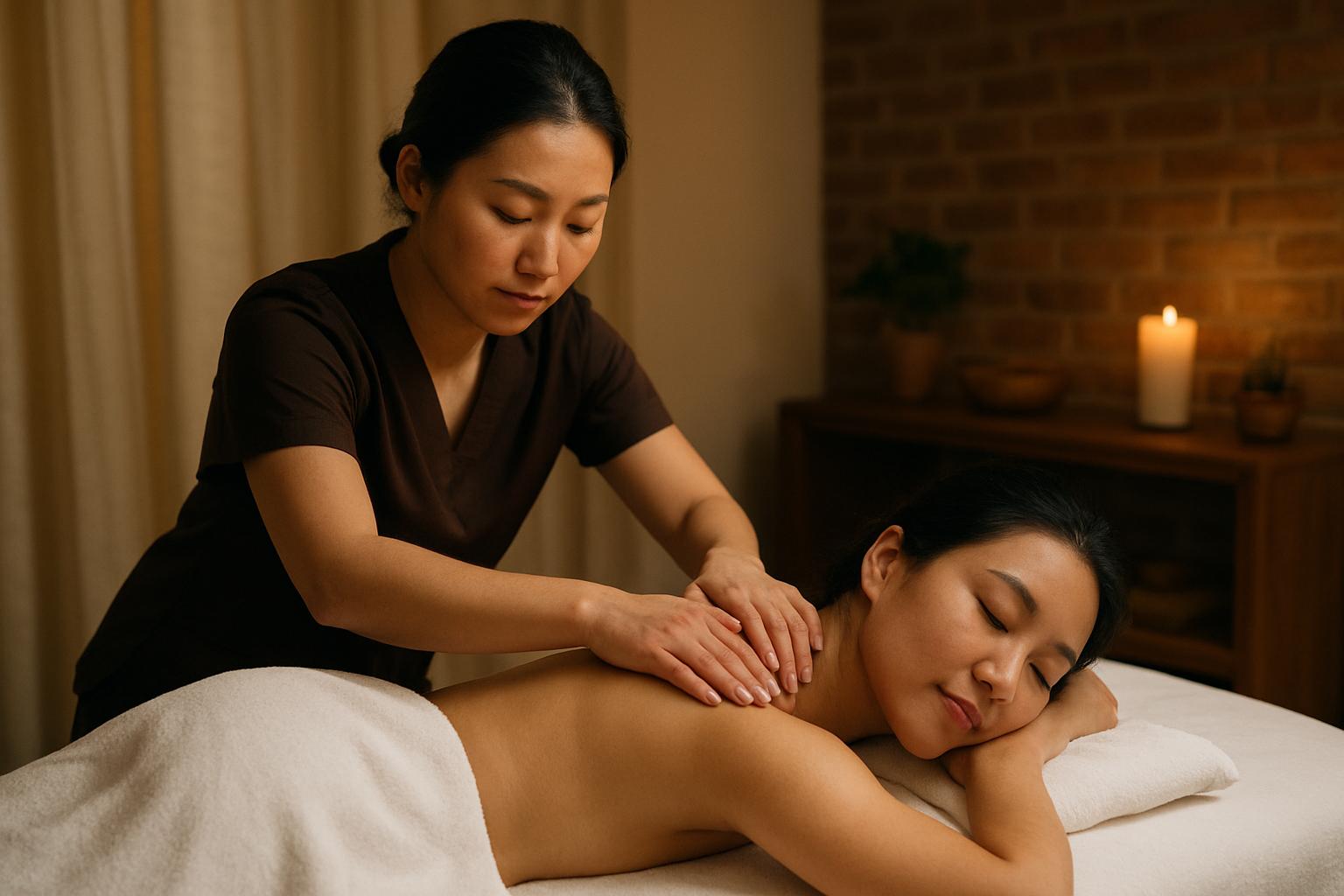
When searching for an «Asian body rub» in NYC, treat the label as a starting point rather than a promise: prioritize transparent businesses that show credentials, respect boundaries, and operate visibly within the law, and avoid places that rely on euphemism, cash-only deals, or pressure tactics. With a few precautionary checks—asking about training, confirming posted permits, and trusting your instincts—you can find respectful, skillful practitioners who offer restorative, culturally rooted massage without compromising safety or ethics.